Quotessence
Home / Quotes / Quote by Jean Racine

Quote by Jean Racine

“Mourons : de tant d’horreurs qu’un trépas me délivre. Est-ce un malheur si grand que de cesser de vivre ? La mort aux malheureux ne cause point d’effroi : Je ne crains que le nom que je laisse après moi”
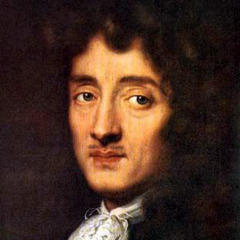
Quote by Jean Racine

Book:Phèdre

Work

Phèdre

Browse quotes and source details for this work. more

Author

Jean Racine
Jean Racine

Jean Racine, born on December 22, 1639 and died on April 21, 1699, was a prominent French dramatist. Known for his tragic plays, he is considered one of the greatest representatives of classical French drama. more

You May Also Like

“Death lurks in the shadows, just out of view. Now and then I see his reaching hand, uncertain of the blurry image that passes before my eyes, but conscious of the crippling influence of his touch. Some say Death rears an ugly head, so hideous a view the beholder can scarcely gasp their last breath. Others call him beautiful, a sweet relief to look upon. But these are rumors babbled by the unknowing. For Death is like the gorgon, Medusa, who when perceived, turns the body to stone. Those who know Death take the knowledge of his shadowed face with them to wherever it is he leads our dearly departed by the hand. All who are left behind must wait their turn to glance into the eyes of the one who will close our mouths forever.”

“I look. There it is. I feel it. The insistent pull to the heart that the hawk brings, that very old longing of mine to possess the hawk's eye. To live the safe and solitary life; to look down on the world from a height and keep it there. To be the watcher; invulnerable, detached, complete. My eyes fill with water. Here I am, I think. And I do not think I am safe.”

“De avond van het leven In mijn dorp aan de rivier hielden wij een keer een zondagsavonddienst in plaats van een morgendienst. Eindelijk konden we toen weer eens een paar mooie avondliederen zingen, en ik preekte over een oud Luthers avondgebed: 'Blijf bij ons, Heer, aan de avond van de dag, aan de avond van het leven, aan de avond van de wereld.' Zo is het eeuwenlang gegaan, wanneer stervelingen voor Gods aangezicht de dag uit handen gaven: dat ze er even over mijmerden dat zij eens hun leven uit handen zouden moeten geven. Godsdienstoefeningen in de kunst van het sterven waren het, zoals de completen in het klooster dat tot op heden zijn, wanneer de dag sterft, de horizon begrensd wordt en de blik zich meer naar binnen richt. 'Dat moeten we vaker doen', zeiden ze in het dorp.”