“Anyhow, I had found something out about an unknown privation, and I realized how a general love or craving, before it is explicit or before it sees its object, manifests itself as boredom or some other kind of suffering. And what did I think of myself in relation to the great occasions, the more sizable being of these books? Why, I saw them, first of all. So suppose I wasn't created to read a great declaration, or to boss a palatinate, or send off a message to Avignon, and so on, I could see, so there nevertheless was a share for me in all that had happened. How much of a share? Why, I knew there were things that would never, because they could never, come of my reading. But this knowledge was not so different from the remote but ever-present death that sits in the corner of the loving bedroom; though it doesn't budge from the corner, you wouldn't stop your loving. Then neither would I stop my reading. I sat and read. I had no eye, ear, or interest for anything else--that is, for usual, second-order, oatmeal, mere-phenomenal, snarled-shoelace-carfare-laundry-ticket plainness, unspecified dismalness, unknown captivities; the life of despair-harness or the life of organization-habits which is meant to supplant accidents with calm abiding. Well, now, who can really expect the daily facts to go, toil or prisons to go, oatmeal and laundry tickets and the rest, and insist that all moments be raised to the greatest importance, demand that everyone breathe the pointy, star-furnished air at its highest difficulty, abolish all brick, vaultlike rooms, all dreariness, and live like prophets or gods? Why, everybody knows this triumphant life can only be periodic. So there's a schism about it, some saying only this triumphant life is real and others that only the daily facts are. For me there was no debate, and I made speed into the former.”
Quote by Saul Bellow
Work
The Adventures of Augie March
The novel is known for its stream-of-consciousness narrative style and its portrayal of the 1920s American society. It follows Augie's journey from his childhood in Chicago to his adventures in New York City, where he encounters a diverse range of people and circumstances that shape his character and worldview. more
Author
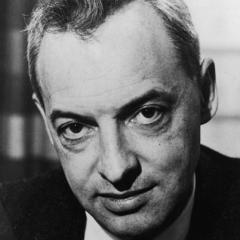
Saul Bellow
Saul Bellow, born on June 10, 1915, in Canada, was an American Jewish writer. His works are known for their profound psychological insights and unique sense of humor. Bellow won the Nobel Prize in Literature. His representative works include 'Herzog', 'The Adventures of Augie March', and 'Henderson the Rain King'. more
You May Also Like
Source: A Manual for Victory
Source: The Binding
“Lo poco que entiendo de la vida es por leer libros”
Source: Arde la vida: ¿Hasta cuándo vas a tener miedo?
Source: Truck
Source: A Manual for Victory
“Free spirits have to soar." "True Religion”
Source: The Best of Ziggy Marley and the Melody Makers
Source: In The Name Of Blasphemy
Source: Faerie Blood
Source: The Weird Sisters