Quotessence
Home / Quotes / Quote by Charles Dickens

Quote by Charles Dickens

Work

The Pickwick Papers

Charles Dickens' 'The Pickwick Papers' is a seminal work of English literature, offering a humorous and insightful look into the social and political landscape of the time. The story revolves around the escapades of the members of the Pickwick Club, who embark on various adventures, encountering a diverse array of characters and situations that reflect the era's customs and values. more
Author

Charles Dickens
Charles Dickens

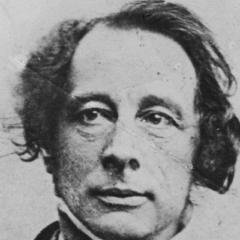
Charles Dickens, a British writer born on February 7, 1812, and died on June 9, 1870, is one of the greatest novelists of the 19th century. Known for his profound social criticism and vivid narrative style, Dickens' works extensively cover social reality, revealing various issues in the British society of the time. more

You May Also Like

“La plus violente douleur qu'on puisse éprouver, certes, est la perte d'un enfant pour une mère, et la perte de la mère pour un homme. Cela est violent, terrible, cela bouleverse et déchire; mais on guérit de ces catastrophes comme des larges blessures saignantes. Or, certaines rencontres, certaines choses entr'aperçues, devinées, certains chagrins secrets, certaines perfidies du sort, qui remuent en nous tout un monde douloureux de pensées, qui entr'ouvrent devant nous brusquement la porte mystérieuse des souffrances morales, compliquées, incurables, d'autant plus profondes qu'elles semblent bénignes, d'autant plus cuisantes qu'elles semblent presque insaisissables, d'autant plus tenaces qu'elles semblent factices, nous laissent à l'âme comme une traînée, un goût d'amertume, une sensation de désenchantement dont nous sommes longtemps à nous débarrasser.”

“Whenever they took a break, the five of them gathered to talk. They got to know each other better, sharing their ideas and opening up about their dreams, as well as their problems. And when the summer camp was over, each one of them felt they were in the right place, where they needed to be, with the perfect companions. A unique sense of harmony developed between them— each one needed the other four and, in turn, shared the sense that they too were needed. The whole convergence was like a lucky but entirely accidental chemical fusion, something that could only happen once. You might gather the same materials and make identical preparations, but you would never be able to duplicate the result.”