Quotessence
Home / Quotes / Quote by Peter S. Beagle

Quote by Peter S. Beagle

“She came very close, and looking into my eyes, she said, “My Jenny,” and then she bent her head and kissed me—here, on the left-hand corner of my mouth. And nobody knows better than I that I couldn’t have felt anything, because Tamsin was a ghost—but nobody but me knows what I felt. And I’ll always know.”

Quote by Peter S. Beagle

Book:Tamsin

Work

Tamsin

Browse quotes and source details for this work. more

Author

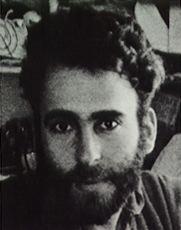
Peter S. Beagle
Peter S. Beagle

Peter S. Beagle is an American author born on April 20, 1939. Known for his science fiction and fantasy literature, his works include classics such as 'The Last Unicorn' and 'The Golden Apples of the Sun'. His writing combines rich imagination with profound philosophical insights, making a significant impact on science fiction and fantasy literature. more

You May Also Like

“Mark's expecting his first child, and he tells us he might not be present for the birth. As the only person who's birthed a baby, I'm stunned. And genuinely curious. "What would you be doing instead?" I asked him. Like, what in the world could possibly be more meaningful to him than the birth of his first child? He had no idea. Just "something more important might come up.”

“Irrespective, he blames other people for all of those things, including forgetting his passport. I guess that's what it's like to live in a bubble, like Mark does. But a bubble implies flimsy transparency, a diaphanous space where you can see a normal life just beyond your grasp. And what Mark inhabits is more like a thick opaque dome, a murky fortress that separates him from the rest of the world. When you have so many other people doing things for you professionally and personally, you stop taking responsibility for any of it. Max Weber said that dealing with unintended consequences of your actions is what political responsibility is. This guy can't even take responsibility for leaving his passport at home, let alone influencing the US election.”

“Five years earlier when I arrived at Facebook, Mark didn't have a theory of how he and the company should be in the world; he didn't really have developed opinions about policy or politics, beyond "sign up more users." The rest of Facebook's leadership wasn't very different. Mark really couldn't be bothered to care. Now he's developed priorities, and they're mostly pretty horrible and ignorant of the human costs.”

“When yous say 'adversary,' who do you mean?" I raise my hand and ask tentatively, a little concerned about what will happen to anyone on one of these lists. "Anyone who opposes us is an adversary," Mark responds firmly. Not acknowledging that when it comes to Free Basics, that's basically everyone. All I can think is how horrified politicians would be if they knew Facebook was harnessing the platform and its power to put the screws to their thumbs.”

“Vaughan operates in a different way from me and most of the policy team. He decides to crack the China market with his golf clubs, sending updates about whom he has golfed with and how this might lead to opportunities to meet with key government officials. The actual work, preparing briefings, tracking regulations, or analysing political developments, he delegates to interns, or the women who work for him.”

“There has never been a more necessary time for law enforcement officers who reveal misconduct to be protected. By rising to uphold our Nation's values, ethical law enforcement officers choose a conflict for which no education, experience, or training can prepare them. They discover their communities breached and their opponent already beyond their gates. They confront criminals, intimidators, and tyrants that disguise themselves wearing the same badge they hold so dear. They advance against others who would otherwise seek to abuse the public, control the narrative, investigate themselves or obscure the truth beneath a facade of pursuing the greater good. Afterward, they often find themselves cast out, lost, and silenced permanently from their profession for doing nothing more than what we asked of them: Policing.”