“That figure stood for a long time wholly in the light; this arose from a certain legendary dimness evolved by the majority of heroes, and which always veils the truth for a longer or shorter time; but to-day history and daylight have arrived. That light called history is pitiless; it possesses this peculiar and divine quality, that, pure light as it is, and precisely because it is wholly light, it often casts a shadow in places where people had hitherto beheld rays; from the same man it constructs two different phantoms, and the one attacks the other and executes justice on it, and the shadows of the despot contend with the brilliancy of the leader. Hence arises a truer measure in the definitive judgments of nations. Babylon violated lessens Alexander, Rome enchained lessens Caesar, Jerusalem murdered lessens Titus, tyranny follows the tyrant. It is a misfortune for a man to leave behind him the night which bears his form.”
Quote by Victor Hugo
Work
Les Misérables: Volume Two
Browse quotes and source details for this work. more
Author
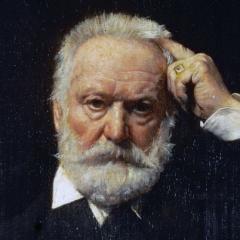
Victor Hugo
Victor Hugo, a French romantic poet, novelist, and playwright, was born on February 26, 1802, and died on May 22, 1885. He is considered one of the greatest writers in French literary history, known for his profound humanistic concerns and rich imagination. more
You May Also Like
“I have never been so happy, and that I already know I will never be so happy again”
Source: Lie With Me
Source: The Emotional Incest Syndrome: What to do When a Parent's Love Rules Your Life
Source: The Heart of Darkness Club
“Anger is a storm of the mind. On its way out, it can destroy every edifice you have built.”
Source: The Art of Loving Again: How to More Intelligently Start Again After a Breakup, Divorce and The Death of a Loved One
Source: Cuddy
Source: Bekisar Merah
Source: Bekisar Merah