“Proximity has taught me some basic and humbling truths, including this vital lesson: Each of us is more than the worst thing we've ever done. My work with the poor and the incarcerated has persuaded me that the opposite of poverty is not wealth; the opposite of poverty is justice. Finally, I've come to believe that the true measure of our commitment to justice, the character of our society, our commitment to the rule of law, fairness, and equality cannot be measured by how we treat the rich, the powerful, the privileged, and the respected among us. The true measure of our character is how we treat the poor, the disfavored, the accused, the incarcerated, and the condemned. We are all implicated when we allow other people to be mistreated. An absence of compassion can corrupt the decency of a community, a state, a nation. Fear and anger can make us vindictive and abusive, unjust and unfair, until we all suffer from the absence of mercy and we condemn ourselves as much as we victimize others. The closer we get to mass incarceration and extreme levels of punishment, the more I believe it's necessary to recognize that we all need mercy, we all need justice, and - perhaps - we all need some measure of unmerited grace.”
Quote by Bryan Stevenson
Book:Just Mercy
Work
Just Mercy
Browse quotes and source details for this work. more
Author
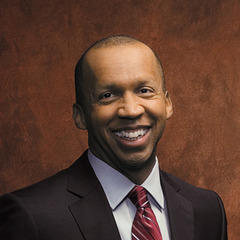
Bryan Stevenson
Bryan Stevenson is an American lawyer, educator, and social activist known for his contributions to criminal justice reform and the defense of the rights of the poor. Born on November 14, 1959, Stevenson is a professor at the University of Alabama at Birmingham School of Law. more
You May Also Like
Source: Just Mercy
Source: Prisoner at Heart
“[The] self overcoming of justice: one knows the beautiful name it has given itself--mercy...”
Source: On the Genealogy of Morals / Ecce Homo
Source: The Infallible Word of God: 365 Inspirational Quotes
Source: The Beatitudes: Livingout The Heart Of Christ
Source: The Hunger Games
“Fight like a victor, and you will exit the battlefield as a winner.”
Source: The Daily Dose of Motivational Quotes
“If she was so afraid and so traumatized by my act of mercy; why didn't she stop me?”
Source: FantasticLand