“If we are to violate the Constitution, will the people submit to our unauthorized acts? Sir, they ought not to submit; they would deserve the chains that these measures are forging for them. The country will swarm with informers, spies, delators and all the odious reptile tribe that breed in the sunshine of a despotic power ... [T]he hours of the most unsuspected confidence, the intimacies of friendship, or the recesses of domestic retirement afford no security. The companion whom you most trust, the friend in whom you must confide, the domestic who waits in your chamber, all are tempted to betray your imprudent or unguarded follie; to misrepresent your words; to convey them, distorted by calumny, to the secret tribunal where jealousy presides — where fear officiates as accuser and suspicion is the only evidence that is heard ... Do not let us be told, Sir, that we excite a fervour against foreign aggression only to establish a tyranny at home; that [...] we are absurd enough to call ourselves ‘free and enlightened’ while we advocate principles that would have disgraced the age of Gothic barbarity and establish a code compared to which the ordeal is wise and the trial by battle is merciful and just." [opposing the Alien & Sedition bills of 1798, in Congress]”
Quote by Edward Livingston
Author
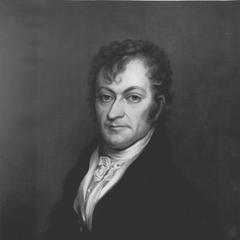
Edward Livingston
Edward Livingston was a prominent figure in American politics, serving as a former U.S. Representative. Born on May 28, 1764, and passing away on May 23, 1836, Livingston played a significant role in shaping the early political landscape of the United States. more
You May Also Like
Source: Unfinished Agenda: Urban Politics in the Era of Black Power
Source: Conscious Parenting: Mindful Living Course
“I dig and plough at your command,' I replied, 'but you will not tell me how to shit.”
Source: As meat loves salt
“He was a bee in a stone honeycomb, and someone had cut off his wings.”
Source: A Game of Thrones
“Freedom, you see, is having events go in accordance with our will, never contrary to it.”
Source: Discourses and Selected Writings
Source: Unended Quest: An Intellectual Autobiography
Source: Jayber Crow