“Chapter 1: Resulting (page 20) Resulting makes us lack compassion for ourselves and others. When someone has a bad outcome in their life, we judge their decision-making as poor because of resulting. That makes it easy to blame them for the way things turned out. No need to have compassion because the outcome was their fault. And it's not just other people. We lack self-compassion when we make these connections in our own lives. We beat ourselves up when things don't work out the way we had hoped. For good outcomes, we're not doing anyone a service by potentially overlooking their mistakes simply because it worked out. We're definitely hurting ourselves, not just in learning, but in assessing our self-worth based on how things turned out rather than on whether we made a good decision under the circumstances.”
Quote by Annie Duke
Work
How to Decide: Simple Tools for Making Better Choices
Browse quotes and source details for this work. more
Author
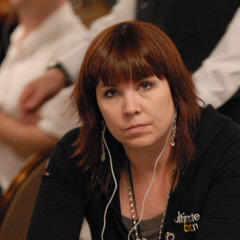
Annie Duke
Annie Duke, born on September 13, 1965, is a talented American actress with a diverse career spanning film, television, and theater. Known for her unique acting style and versatile character choices, Duke has delivered memorable performances that have left a lasting impression on audiences. more
You May Also Like
Source: How to Decide: Simple Tools for Making Better Choices
Source: How to Decide: Simple Tools for Making Better Choices
Source: How to Decide: Simple Tools for Making Better Choices
Source: How to Decide: Simple Tools for Making Better Choices
Source: How to Decide: Simple Tools for Making Better Choices
Source: How to Decide: Simple Tools for Making Better Choices
“If you truly knew yourself, you would find a stranger in your midst.”
“What you choose not to look at will shape you just as much as what you face.”