“Our growing dependence on technologies no one seems to understand or control has given rise to feelings of powerlessness and victimization. We find it more and more difficult to achieve a sense of continuity, permanence, or connection with the world around us. Relationships with others are notably fragile; goods are made to be used up and discarded; reality is experienced as an unstable environment of flickering images. Everything conspires to encourage escapist solutions to the psychological problems of dependence, separation, and individuation, and to discourage the moral realism that makes it possible for human beings to come to terms with existential constraints on their power and freedom.”
Quote by Christopher Lasch
Work
The Culture of Narcissism: American Life in an Age of Diminishing Expectations
This work presents a critical analysis of American social character, contending that traditional structures of meaning and authority weakened during the 1960s and 1970s, producing widespread psychological preoccupation with self-image and personal gratification. The author examines how therapeutic culture, consumer capitalism, and the decline of civic engagement contributed to a society oriented toward immediate emotional satisfaction rather than long-term purpose or communal obligation. Drawing on historical, psychological, and cultural sources, the book traces the emergence of what it describes as a new form of selfhood—one characterized by shallow relationships, competitive individualism, and dependence on external validation. The analysis connects these psychological patterns to broader economic and political developments, including stagflation, the erosion of the welfare state, and the rise of managerial elites. While controversial upon publication, the work became influential in discussions of American cultural decline and remains frequently cited in debates about social media, celebrity culture, and contemporary self-absorption. more
Author
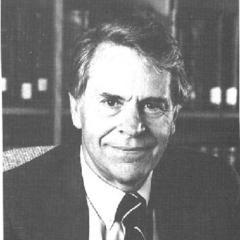
Christopher Lasch
Christopher Lasch (June 1, 1932 - February 14, 1994) was an American historian known for his critical analysis of modern American culture and society. His work explored themes such as individualism, consumerism, and the decline of morality, which had a profound impact on contemporary American society. more
You May Also Like
Source: Lost in Amber
“Cool, crisp sheets, an unfolding night with warm scents of you left behind in the morning light.”
Source: Lost and Found: Shadows of Love
Source: Lost and Found: Shadows of Love
Source: Lost and Found: Shadows of Love
“It is the need that defines truth (true love).”
Source: The Tears of the Heart: Eight (8) Phases of Heartbreak
Source: Where You'll Land
Source: In Paris with You
Source: Renegade Heart
“I have loved you all my life, Mal,” I whispered through my tears. “There is no end to our story.”
Source: Siege and Storm
Source: Totality and Infinity: An Essay on Exteriority