“during my worst times on the park benches in the jails or living with whores I always had this certain contentment- I wouldn't call it happiness- it was more of an inner balance that settled for whatever was occuring and it helped in the factories and when relationships went wrong with the girls. it helped through the wars and the hangovers the backalley fights the hospitals. to awaken in a cheap room in a strange city and pull up the shade- this was the craziest kind of contentment and to walk across the floor to an old dresser with a cracked mirror- see myself, ugly, grinning at it all. what matters most is how well you walk through the fire.”
Quote by Charles Bukowski
Author
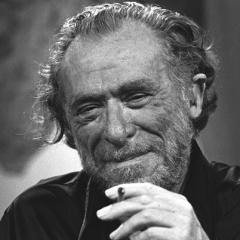
Charles Bukowski
Charles Bukowski, born on August 16, 1920, was an influential American poet. Known for his unique style and profound depiction of the lives of the underclass in America, he is considered one of the representatives of the Beat Generation. more
You May Also Like
“It is not your talents that make you great, but your decisions.”
“The straight word never runs away from the crooked word.”
Source: The Voice
“It's easy to judge only on the superficial. It takes a lot more time and work to truly understand.”
Source: To Protect
Source: Life Expectancy
Source: Fundamental Principles of the Metaphysic of Morals
“Sometimes integrity is seen as a threat by those who desire control.”
“Those with traditional sense will follow what their heart tells them is right.”
Source: Traditional Angling: Fennel's Journal No. 6