Quotessence
Home / Quotes / Quote by Gaston Leroux

Quote by Gaston Leroux

Work

The Phantom of the Opera

This novel, originally published in 1910, tells the story of a disfigured musical genius who lives in the catacombs beneath the Paris Opera House. He falls in love with a young soprano, Christine Daaé, and becomes obsessed with her. The novel explores themes of love, obsession, and the human desire for beauty and perfection. more

Author
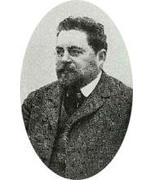
Gaston Leroux
Gaston Leroux

Gaston Leroux (1868–1927) was a French journalist, novelist, and playwright, best known for writing the gothic thriller "The Phantom of the Opera" published in 1910. Beginning his career as a court reporter and theater critic, he later devoted himself to fiction, producing over 40 novels. "The Phantom of the Opera" became his most enduring work, captivating readers with its mysterious atmosphere and romantic tension. In addition to this masterpiece, he authored "The Mystery of the Yellow Room," considered one of the first locked-room mysteries. Leroux's storytelling skill and vivid imagination significantly influenced the development of detective and horror fiction. His works have been adapted countless times for stage, film, and television, making him one of the most widely read French authors of the early 20th century. He died in Nice on April 15, 1927. more

You May Also Like

“We walked among the different plants and by using The Book, we did our best to identify them and understand how to use them. Some were easy- spearmint, "for refreshment, strength, and healing," and rosemary, "for remembrance, and the prevention of nightmares." We also found a swathe of sage, which could be used "to cultivate wisdom and intelligence." When I came across a bunch of plants with dark green leaves and tiny white flowers, it took us quite a while to identify it by its drawing in The Book: gotu kola, an herb that could "restore the senses and clear confusion." "Oh, look at this one," I said. "Saffron, for success. I should probably bake with that." "If only it grew here," said Vik. Finally, on the bank of a small stream, we found gigantic thyme stems, almost two feet tall and topped with plump clusters of purple flowers. "What's thyme good for?" I asked Vik as I plucked a dozen stems and inhaled their herbaceous scent. "Thyme attracts affection, loyalty, and the goodwill of others," read Vik, "and can foster strength and courage when needed.”

“The smell of thyme was pungent in the air. It grew wild by the roadside. Thyme improves the memory, Joe used to say. He used to make a syrup out of it, keeping it in a bottle in the pantry. Two tablespoonsful every morning before breakfast. That clear greenish liquid smelled exactly like the night air over Lansquenet, crisp and earthy and nostalgic, like a summer day's weeding in the herb garden, and the radio on...”

“Milly went to work on her piecrust. After she'd rolled out the bottom layer and then the top one, she moved on to the kidney beans. She didn't know that the beans had to be soaked in warm water overnight and then cooked for several hours otherwise they'd upset the digestive tract- 'to the point of tears,' Milly would read later in the cookbook. She plucked a sprig of thyme from her herb box on the windowsill and dropped it, along with the beans, into the pie. 'Poor things,' she said to her herbs, stroking their leaves, which were soft as feathers.”

“Now, the District was in the throes of slow but steady revital- ization and revival, driven on the backbone of the Kansas City African American community’s strong cultural roots, immense pride, art, community, baseball, barbecue, booze, and jazz. Historically segregated, but always shared by Black society. How different from the White society whose historical dividing line began just blocks away. Also historically segregated, but rarely shared.”