“The literature of apocalypse is scary stuff, the kind of thing that can give religion a bad name, because people so often use it as a means of controlling others, instilling dread by invoking a boogeyman God. ... [Apocalyptic literature] is not a detailed prediction of the future, or an invitation to withdraw from the concerns of this world. It is a wake-up call, one that uses intensely poetic language and imagery to sharpen our awareness of God's presence in and promise for the world. The word "apocalypse" comes from the Greek for "uncovering" or "revealing," which makes it a word about possibilities. And while uncovering something we'd just as soon keep hidden is a frightening prospect, the point of apocalypse is not to frighten us into submission. Although it is often criticized as "pie-in-the-sky" fantasizing, I believe its purpose is to teach us to think about "next-year-country" in a way that sanctifies our lives here and now. "Next-year-country" is a treasured idiom of the western Dakotas, an accurate description of the landscape that farmers and ranchers dwell in - next year rains will come at the right time; next year I won't get hailed out; next year winter won't set in before I have my hay hauled in for winter feeding. I don't know a single person on the land who uses the idea of "next year" as an excuse not to keep on reading the earth, not to look for the signs that mean you've got to get out and do the field work when the time is right. Maybe we're meant to use apocaly[tic literature in the same way: not as an allowance to indulge in an otherworldly fixation but as an injunction to pay closer attention to the world around us. When I am disturbed by the images of apocalypse, I find it helpful to remember the words of a fourth-centry monk about the task of reading scripture as "working the earth of the heart," for it is only in a disturbed, ploughted0up ground that the seeds we plant for grain can grow.”
Quote by Kathleen Norris
Work
Amazing Grace: A Vocabulary of Faith
Browse quotes and source details for this work. more
Author
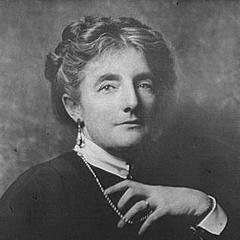
Kathleen Norris
Kathleen Norris is a renowned American poet, born on July 27, 1947. Her poetry is known for its profound religious sentiment and unique personal style, which has earned her a dedicated following. more
You May Also Like
“Discernment is a light of protection and direction in a world that grows increasingly dark.”
Source: Inviting the Mystic, Supporting the Prophet: An Introduction to Spiritual Direction
Source: The Critical Journey: Stages in the Life of Faith
Source: Spiritual Direction: A Guide to Giving and Receiving Direction
Source: The Four Loves
Source: Betrayal of Faith
Source: Spiritual Disciplines Handbook: Practices That Transform Us
Source: Care of Mind/Care of Spirit: A Psychiatrist Explores Spirtual Direction