Quotessence
Home / Quotes / Quote by Toni Morrison

Quote by Toni Morrison

Work

Beloved

This novel delves into the profound and haunting aftermath of slavery in the United States, focusing on the life of a woman named Sethe who has escaped from a plantation but is haunted by her past. The narrative intertwines the lives of former slaves and their descendants, examining the lasting impact of historical trauma on individuals and communities. more
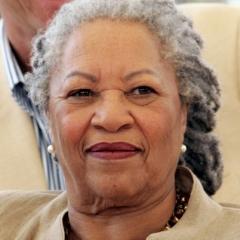
Author

Toni Morrison
Toni Morrison

Toni Morrison is an American novelist known for her profound portrayal of the history and culture of African Americans. Her works often explore issues of race, gender, and identity, with her most famous novels being 'The Bluest Eye' and 'Sula'. more

You May Also Like

“I had no brothers or sisters, so life was not difficult for my mother and me. When I think back, I see her clearly with her thin lips resolutely closed, with something on her face like a mask, I don't know – a thick mask, as though her face were the surface of the sea. Do you understand? It possessed not a single colour but a multitude, appearing and disappearing and intermingling. We had no relatives. She and I acted as relatives to each other. It was as if she were some stranger on the road with whom circumstances had chanced to bring me... I used to have – you may be surprised – a warm feeling of being free, that there was not a human being, by father or mother, to tie me down as a tent peg to particular spot, a particular domain... I was not like other children of my age: I wasn't wasn't affected by anything, I didn't cry when hit, wasn't glad if the teacher praised me in class, didn't suffer from the things the rest did. I was like something rounded, made of rubber: you throw it in the water and it doesn't get wet, you throw it on the ground and it bounces back.”

“The loss of freedom represents a profound threat to individuals and societies alike. It undermines fundamental human rights, stifles creativity and innovation, and erodes the foundations of democratic governance. When individuals are deprived of the ability to express themselves, make choices freely, or participate fully in civic life, the fabric of society weakens. Moreover, restrictions on freedom can lead to increased inequality, social unrest, and a diminished quality of life for all. Preserving and defending freedom is therefore not merely a matter of personal preference but a vital safeguard against tyranny and oppression, ensuring a future where dignity, justice, and progress prevail.”