“In the monotheistic age, God was viewed as the one who causes and does everything, and hence humans were not entitled to make something, let alone a great deal, of themselves. In humanistic epochs, by contrast, man is considered the being responsible for causing and doing everything - but consequently no longer has the right to make little or nothing of himself. Whether people now make nothing or much of themselves, they commit - according to traditional forms of logic - an inexplicable and unpardonable error. There is always a surplus of differences that cannot be integrated into any of the prescribed systems of life-interpretation. In a world that belongs to God, human beings make too much of themselves as soon as they raise their heads; in a world that belongs to humans, they repeatedly make too little of themselves. The possibility that the inequality between humans might be due to their asceticisms, their different stances towards the challenges of the practising life - this idea has never been formulated in the history of investigations into the ultimate causes of difference between humans. If one follows this trail, it opens up perspectives that, being unthought-of, are literally unheard-of.”
Quote by Peter Sloterdijk
Work
Du mußt dein Leben ändern
Browse quotes and source details for this work. more
Author
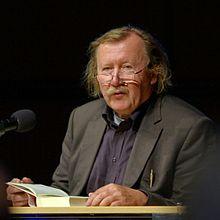
Peter Sloterdijk
Peter Sloterdijk is a German philosopher born on June 26, 1947. Known for his unique philosophical thoughts and profound insights into social culture, his works cover a wide range of fields including ethics, aesthetics, and sociology, making a significant impact on the contemporary philosophical world. more
You May Also Like
Source: Du mußt dein Leben ändern
Source: The Joy of Life
Source: The Joy of Life
Source: The Bright Side of Life
Source: The Bright Side of Life
Source: The Bright Side of Life
Source: The Bright Side of Life