“Non sapeva, lui che apriva il suo cuore all’aria aperta, che non rispettava altra legge al mondo se non la buona legge di natura, lui che lasciava scorrere le proprie passioni per i loro pendii, e in cui il lago delle grandi emozioni era sempre a secco, poiché vi apriva egli ogni mattina larghi e nuovi canali, non sapeva con quale furia questo mare di passioni umane fermenta e ribolle quando sia impedito a qualunque uscita, come si ammassa, come si gonfia, come deborda, come scava il cuore, come scoppia in singhiozzi interni e in sorde convulsioni fino a che non abbia rotto le dighe e aperto una crepa nel suo letto. L'involucro austero e glaciale di Claude Frollo, la sua fredda superficie di virtù impervia e inaccessibile aveva sempre ingannato Jehan. L'allegro scolaro non aveva mai pensato a quanta lava bollente, furiosa e profonda fosse sotto la fronte innevata dell'Etna.”
Quote by Victor Hugo
Author
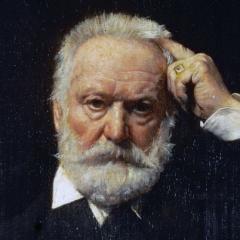
Victor Hugo
Victor Hugo, a French romantic poet, novelist, and playwright, was born on February 26, 1802, and died on May 22, 1885. He is considered one of the greatest writers in French literary history, known for his profound humanistic concerns and rich imagination. more
You May Also Like
Source: Paris Discovered: Explorations in the City of Light
“İnsanın bir düşüncesi varsa her yaptığında onu bulursunuz.”
“And we stand there. Singing the cathedral down.”
Source: This One is Ours
“Zaten nerede barınacağını bilemediği için felsefe onun tek sığınağıydı.”
Source: Notre Dame'nin Kamburu
“No one has family in Hawaii. Everyone is family in Hawaii.”
“Nobody grows up mythless. It's what we do with the myths we grow up with that matters.”