“…The more enormous our wealth, the more extensive our fears, all our possessions are paled up with new edicts every day, and hung round with gibbets to scare every invader.”
Quote by Oliver Goldsmith
Work
The Vicar of Wakefield
This eighteenth-century novel explores the trials and tribulations of a vicar and his family, depicting their journey through various life challenges and the enduring bonds of family love. more
Author
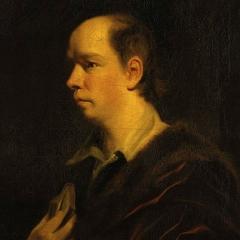
Oliver Goldsmith
Oliver Goldsmith was an Irish novelist, playwright, poet, and physician. He is best known for his novel 'The Vicar of Wakefield' and his plays 'She Stoops to Conquer' and 'The Good-Natur'd Man'. Goldsmith's works are characterized by their wit, humor, and moral depth. more
You May Also Like
Source: The Ultimate Focus Builder
Source: Dream big!: See your bigger picture!
“Every decision you make takes you one step closer to being wealthy ... or one step further away.”
Source: Their Eyes Were Watching God
Source: Siddhartha
“I was rich, for there was nothing else that I needed or wanted.”
Source: Two Winters in a Tipi
Source: Cosmic Ordering Guide
Source: The Republic