“On the black earth on which the ice plants bloomed, hundreds of black stink bugs crawled. And many of them stuck their tails up in the air. "Look at all them stink bugs," Hazel remarked, grateful to the bugs for being there. "They're interesting," said Doc. "Well, what they got their asses up in the air for?" Doc rolled up his wool socks and put them in the rubber boots and from his pocket he brought out dry socks and a pair of thin moccasins. "I don't know why," he said. "I looked them up recently--they're very common animals and one of the commonest things they do is put their tails up in the air. And in all the books there isn't one mention of the fact that they put their tails up in the air or why." Hazel turned one of the stink bugs over with the toe of his wet tennis shoe and the shining black beetle strove madly with floundering legs to get upright again. "Well, why do you think they do it?" "I think they're praying," said Doc. "What!" Hazel was shocked. "The remarkable thing," said Doc, "isn't that they put their tails up in the air--the really incredibly remarkable thing is that we find it remarkable. We can only use ourselves as yardsticks. If we did something as inexplicable and strange we'd probably be praying--so maybe they're praying." "Let's get the hell out of here," said Hazel.”
Quote by John Steinbeck
Work
Cannery Row is a novel by John Steinbeck that portrays the lives of the residents of a street in Monterey, California, known for its sardine canning industry. The story centers on a group of eccentric and impoverished characters, including a marine biologist named Doc, a group of unemployed men led by Mack, and various other local figures. The narrative weaves together their daily struggles, friendships, and small adventures, capturing a sense of community and resilience amid economic hardship. The book is known for its episodic structure, humor, and sympathetic depiction of marginalized people, reflecting Steinbeck's interest in social issues and the human condition. more
Author
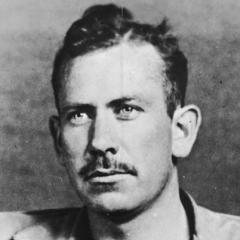
John Steinbeck was an American author renowned for his profound depiction of American society and the lives of farmers. His works often explore themes of poverty, social injustice, and human nature. Steinbeck was awarded the Nobel Prize in Literature in 1962 for his significant contribution to American literature. more
You May Also Like
“The cool, calm Liam was a total lie. The real Liam was just a scared little kid. Like me.”
“In the age of smartphones, everything’s a reality show!”
“Memory, when it juts, retreats, recovers, shows us how to hold the darkness, how to breathe.”
“Heartache purged layers of baggage I didn’t know I carried. Gifts hide under the layers of grief.”