“And here before me stands a marvelously groomed little man who is pinning a hero's medal on me because some of his forebears were Alfred the Great and Charles the First, and even King Arthur, for anything I knew to the contrary. But I shouldn't be surprised if inside he feels as puzzled about the fate that brings him here as I. we are public icons, we two: he an icon of kingship, and I an icon of heroism, unreal yet very necessary; we have obligations above what is merely personal, and to let personal feelings obscure the obligations would be failing in one's duty. This was clearer still afterward, at lunch at the Savoy....; they all seemed to accept me as a genuine hero, and I did my best to behave decently, neither believing in it too obviously, nor yet protesting that I was just a simple chap who had done his duty when he saw it--a pose that has always disgusted me. Ever since, I have tried to think charitably of people in prominent positions of one kind or another. We cast them in roles, and it is only right to consider them as players, without trying to discredit them with knowledge of their off-stage life--unless they drag it into the middle of the stage themselves.”
Quote by Robertson Davies
Work
Fifth Business is a narrative that intertwines the protagonist's personal journey with the historical and cultural context of his time. The story delves into complex characters and philosophical musings, offering readers a rich tapestry of human experience. more
Author
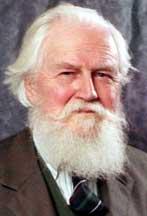
Robertson Davies was a Canadian novelist known for his wit and humor. His works often set in the Canadian society, exploring the relationship between individuals and society. Davies' works include the 'Amos Fortune' series and the 'Crown of the North' series, which are highly appreciated by readers. more
You May Also Like
“Every Christian leader is oblige to teach their members how to work and bring about productivity.”
“If you could strip away all your distraction and obligations, who would you be left with?”
“...obligation is the worst thing in the world, the freedom we deny ourselves.”
“Better poverty without a care than wealth with its many obligations.”