“If truth is to be victorious in her conflict of forces, she must herself first become a force and appoint some drive to be her champion in the realm of phenomena; for drives are the only motive forces in the sensible world. If she has hitherto displayed so little of her conquering power, this was due, not to the intellect that was powerless to unveil her, but to the heart that closed itself against her, and to the drive that refused to act on her behalf.”
Quote by Friedrich Schiller
Work
On The Aesthetic Education Of Man
This book delves into the philosophical underpinnings of aesthetic appreciation, examining its impact on human perception, creativity, and the formation of cultural values. more
Author
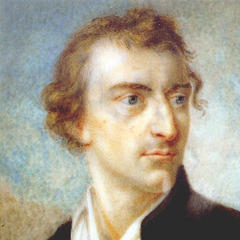
Friedrich Schiller
Friedrich Schiller, born on November 10, 1759 and died on May 9, 1805, was a prominent German poet, playwright, and philosopher. His works had a profound impact on German literature and thought, and he is considered one of the most important figures in the history of German literature. more
You May Also Like
“Where prejudice is the way of life, voice of reason sounds like act of terror.”
Source: The Divine Refugee
Source: Little Planet on The Prairie: Dunya Benim, Sorumluluk Benim
Source: Liberty and the Will to Power: A Manifesto for the Amoral Libertarian
“To acknowledge prejudice is the awakening of reason.”
Source: Azad Earth Army: When The World Cries Blood
Source: The Sun and Her Flowers
Source: Spirit and Fire
Source: Husserl and the A Priori: Phenomenology and Rationality