Quotessence
Home / Quotes / Quote by Sarah Ruhl

Quote by Sarah Ruhl

Work

100 Essays I Don't Have Time to Write: On Umbrellas and Sword Fights, Parades and Dogs, Fire Alarms, Children, and Theater

This book is a compilation of essays that delve into a wide range of subjects, offering insights and reflections on everyday experiences and cultural phenomena. more

Author
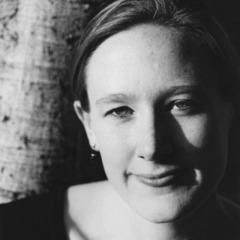
Sarah Ruhl
Sarah Ruhl

Sarah Ruhl is an American playwright known for her unique narrative style and profound insights into human emotions. Her works cover a range of themes, including family, love, death, and religion. Ruhl's plays have been performed in numerous theaters and have won multiple awards. more

You May Also Like

“After another mile or so, he passed a gang of blacks weeding in a tobacco field. They did not notice him. Their heads were down, intent on the work. Hoes rose and fell, rose and fell, not quickly but at a steady pace that would finish the job soon enough to keep the overseer contented-the eternal pace of the slave. He'd grown used to faster rhythms. He also remembered, from his dealings with the Rivington seen in Rivington itself, that slaves could be made to work to men and from what he'd those rhythms. But why bother? Things got done, either way. Slowing down was part of coming home, too.”

“Pain teaches you more than pleasure. Failure teaches you more than success. Poverty teaches you more than prosperity. Adversity teaches you more than comfort.”

“I have referred to it as a gift--something for which others with this affliction have taken me to task. I was only speaking from my own experience, of course, but I stand partially corrected: if it is a gift, it's the gift that just keeps on taking. Coping with relentless assault and the accumulating damage is not easy. Nobody would ever choose to have this visited upon them. Still, this unexpected crisis forced a fundamental life decision: adopt a siege mentality--or embark upon a journey. Whatever it was--courage? acceptance? wisdom?--that finally allowed me to go down the second road (after spending a few disastrous years on the first) was unquestionably a gift--and absent this neurophysiological catastrophe, I would never have opened it, or been so profoundly enriched. That's why I consider myself a lucky man.”

“Although I owned a boat, I had no sonar, metal detector or any practical method of surveying the ocean bottom. With an incurable illness, no prospect of financial reward, little chance of success, brain surgery looming, and one child in college with another about to start, I was not in a position to spend thousands of dollars on a search. Still, desperate for a distraction, anything to pry my focus away from the disease, I decided—the hell with Parkinson’s. I’m doing it.”