“Some years ago I had a conversation with a man who thought that writing and editing fantasy books was a rather frivolous job for a grown woman like me. He wasn’t trying to be contentious, but he himself was a probation officer, working with troubled kids from the Indian reservation where he’d been raised. Day in, day out, he dealt in a concrete way with very concrete problems, well aware that his words and deeds could change young lives for good or ill. I argued that certain stories are also capable of changing lives, addressing some of the same problems and issues he confronted in his daily work: problems of poverty, violence, and alienation, issues of culture, race, gender, and class... “Stories aren’t real,” he told me shortly. “They don’t feed a kid left home in an empty house. Or keep an abusive relative at bay. Or prevent an unloved child from finding ‘family’ in the nearest gang.” Sometimes they do, I tried to argue. The right stories, read at the right time, can be as important as shelter or food. They can help us to escape calamity, and heal us in its aftermath. He frowned, dismissing this foolishness, but his wife was more conciliatory. “Write down the names of some books,” she said. “Maybe we’ll read them.” I wrote some titles on a scrap of paper, and the top three were by Charles de lint – for these are precisely the kind of tales that Charles tells better than anyone. The vital, necessary stories. The ones that can change and heal young lives. Stories that use the power of myth to speak truth to the human heart. Charles de Lint creates a magical world that’s not off in a distant Neverland but here and now and accessible, formed by the “magic” of friendship, art, community, and social activism. Although most of his books have not been published specifically for adolescents and young adults, nonetheless young readers find them and embrace them with particular passion. I’ve long lost count of the number of times I’ve heard people from troubled backgrounds say that books by Charles saved them in their youth, and kept them going. Recently I saw that parole officer again, and I asked after his work. “Gets harder every year,” he said. “Or maybe I’m just getting old.” He stopped me as I turned to go. “That writer? That Charles de Lint? My wife got me to read them books…. Sometimes I pass them to the kids.” “Do they like them?” I asked him curiously. “If I can get them to read, they do. I tell them: Stories are important.” And then he looked at me and smiled.”
Quote by Terri Windling
Author
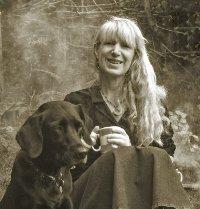
Terri Windling
Terri Windling, born in 1958, is a distinguished editor with a significant impact on the fields of literature and art, particularly known for her contributions to fantasy literature and folklore. more
You May Also Like
Source: Chiara di Assisi: Elogio della disobbedienza
Source: A Manual for Victory
Source: NOS4A2
“You'll never find a cup of tea big enough or a book long enough to suit me.”
“و من الممكن أن تمل القراءة طبيعي فعندما يمل الإنسان كل شئ تكون الكتب أول الضحايا”
Source: كتاب عن كتب
Source: Olivia
Source: Poison
Source: A Manual for Victory
“The oldest books are still only just out to those who have not read them.”
Source: Howards End is on the Landing: A Year of Reading from Home