Quotessence
Home / Quotes / Quote by Ernest Hemingway

Quote by Ernest Hemingway

“ჩვენ იძულებული ვართ, ამ დროში ვიცხოვროთ და ვიმუშაოთ, ყველაზე უარეს დროში, რაც კი ოდესმე ყოფილა, მაგრამ მაინც შეგი- ძლია, უამრავი სასიხარულო რამ მოძებნო – თან იცოდე, რა უვარგის დროში ცხოვრობ. პოლიტიკაზე მირჩევნია არაფერი ვთქვა. მასთან ყოველი შეხება ერთადერთ შეგრძნებას მიტოვებს – თითქოს ბინძური ჭურჭლიდან რაღაც სისაძაგლე დავლიე. თავდაჯერებული პატრიოტი, სხვა ადამიანების ცხოვრებისა თუ რწმენის წარმმართველი – ასეთი გამომეტყველება აქვს ფოტოებზე პოლიტიკოსთა უმეტესობას.”

Quote by Ernest Hemingway

Author
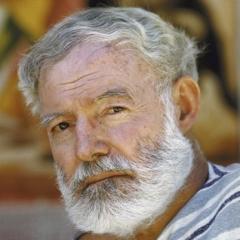
Ernest Hemingway
Ernest Hemingway

American author known for his concise and forceful writing style, as well as his profound insights into life. Hemingway's works cover a wide range of themes including war, adventure, and love, with notable titles such as 'The Old Man and the Sea' and 'A Farewell to Arms'. more

You May Also Like

“I lift the lid of the chest. Inside, the air is musty and stale, held hostage for years in its three-foot-by-four-foot tomb. I lean in to survey the contents cautiously, then pull out a stack of old photos tied with twine. On top is a photo of a couple on their wedding day. She's a young bride, wearing one of those 1950's netted veils. He looks older, distinguished- sort of like Cary Grant or Gregory Peck in the old black-and-white movies I used to watch with my grandmother. I set the stack down and turn back to the chest, where I find a notebook, filled with handwritten recipes. The page for Cinnamon Rolls is labeled "Dex's Favorite." 'Dex.' I wonder if he's the man in the photo. There are two ticket stubs from 1959, one to a Frank Sinatra concert, another to the movie 'An Affair to Remember.' A single shriveled rosebud rests on a white handkerchief. A corsage? When I lift it into my hand, it disintegrates; the petals crinkle into tiny pieces that fall onto the living room carpet. At the bottom of the chest is what looks like a wedding dress. It's yellowed and moth-eaten, but I imagine it was once stark white and beautiful. As I lift it, I can hear the lace swishing as if to say, "Ahh." Whoever wore it was very petite. The waist circumference is tiny. A pair of long white gloves falls to the floor. They must have been tucked inside the dress. I refold the finery and set the ensemble back inside. Whose things are these? And why have they been left here? I thumb through the recipe book. All cookies, cakes, desserts. She must have loved to bake. I tuck the book back inside the chest, along with the photographs after I've retied the twine, which is when I notice a book tucked into the corner. It's an old paperback copy of Ernest Hemingway's 'The Sun Also Rises.' I've read a little of Hemingway over the years- 'A Moveable Feast' and some of his later work- but not this one. I flip through the book and notice that one page is dog-eared. I open to it and see a line that has been underscored. "You can't get away from yourself by moving from one place to another." I look out to the lake, letting the words sink in. 'Is that what I'm trying to do? Get away from myself?' I stare at the line in the book again and wonder if it resonated with the woman who underlined it so many years ago. Did she have her own secret pain? 'Was she trying to escape it just like me?”

“But there was a thing here that I never saw. I don't think you've ever seen it either. There were Americans came here and they put whiskey in the beer." "No," I said. "Oui. My God, yes, that's true. Et aussi une femme qui a vomis sur la table!" "Comment?" "C'est vrai. Elle a vomis sur la table. Et après elle a vomis dans ses shoes. And afterward they come back and say they want to come again and have another party the next Saturday, and I say no, my God, no! When they came I locked the door.”

“His book For Whom the Bell Tolls was an instant success in the summer of 1940, and afforded him the means to live in style at his villa outside of Havana with his new wife Mary Welsh, whom he married in 1946. It was during this period that he started getting headaches and gaining weight, frequently becoming depressed. Being able to shake off his problems, he wrote a series of books on the Land, Air and Sea, and later wrote The Old Man and the Sea for which he won the Pulitzer Prize in May 1954. Hemingway on a trip to Africa where he barely survived two successive airplane crashes. Returning to Cuba, Ernest worked reshaping the recovered work and wrote his memoir, A Moveable Feast. He also finished True at First Light and The Garden of Eden. Being security conscious, he stored his works in a safe deposit box at a bank in Havana. His home Finca Vigía had become a hub for friends and even visiting tourists. It was reliably disclosed to me that he frequently enjoyed swinger’s parties and orgies at his Cuban home. In Spain after divorcing Frank Sinatra Hemingway introduced Ava Gardner to many of the bullfighters he knew and in a free for all, she seduced many of hotter ones. After Ava Gardner’s affair with the famous Spanish bullfighter Luis Miguel Dominguín crashed, she came to Cuba and stayed at Finca Vigía, where she had what was termed to be a poignant relationship with Ernest. Ava Gardner swam nude in the pool, located down the slope from the Hemingway house, after which he told his staff that the water was not to be emptied. An intimate friendship grew between Hemingway’s forth and second wife, Mary and Pauline. Pauline often came to Finca Vigia, in the early 1950s, and likewise Mary made the crossing of the Florida Straits, back to Key West several times. The ex-wife and the current wife enjoyed gossiping about their prior husbands and lovers and had choice words regarding Ernest. In 1959, Hemingway was in Cuba during the revolution, and was delighted that Batista, who owned the nearby property, that later became the location of the dismal Pan Americana Housing Development, was overthrown. He shared the love of fishing with Fidel Castro and remained on good terms with him. Reading the tea leaves, he decided to leave Cuba after hearing that Fidel wanted to nationalize the properties owned by Americans and other foreign nationals. In the summer of 1960, while working on a manuscript for Life magazine, Hemingway developed dementia becoming disorganized and confused. His eyesight had been failing and he became despondent and depressed. On July 25, 1960, he and his wife Mary left Cuba for the last time. He never retrieved his books or the manuscripts that he left in the bank vault. Following the Bay of Pigs Invasion, the Cuban government took ownership of his home and the works he left behind, including an estimated 5,000 books from his personal library. After years of neglect, his home, which was designed by the Spanish architect Miguel Pascual y Baguer in 1886, has now been largely restored as the Hemingway Museum. The museum, overlooking San Francisco de Paula, as well as the Straits of Florida in the distance, houses much of his work as well as his boat housed near his pool.”