“I think about swimming with him into that cave, about the swell of clear water, the way it changed, the swiftness and power it gained as it narrowed through the rocks at the base of the point. The tide had to be just right. We had to be in the water at the very moment the tide was right. We could only have done this a half dozen times at most during the two years we lived there but it is what I remember. Each time we did it I was afraid of missing the swell, hanging back, timing it wrong. He never was. You had to feel the swell change. You had to go with the change. He told me that. No eye is on the sparrow but he did tell me that.”
Quote by Joan Didion
Work
The Year of Magical Thinking: The Play
This play is a poignant exploration of the complex emotional journey experienced by a woman in the aftermath of her husband's unexpected death. Adapted from Joan Didion's acclaimed memoir, it delves into the depths of loss and the surreal experiences that can accompany it, offering a raw and intimate portrayal of the human psyche in the face of tragedy. more
Author
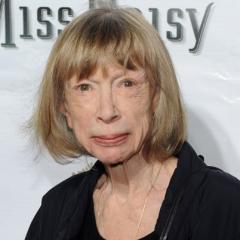
Joan Didion
Joan Didion is an American author born on December 5, 1934. Known for her distinctive narrative style and profound insights into modern life, her works have gained recognition for their unique perspective and deep understanding of the complexities of contemporary society. more
You May Also Like
Source: All God's Children Need Traveling Shoes
Source: The Year of Magical Thinking: The Play
“We abandon the dead. We abandon them.”
Source: Inheritance
“Mourning is a form of love that only creates more unhappiness. Didn’t you know that?”
Source: Love Letters from Montmartre
Source: The Ghost Brigades
Source: The Sorrows of Young Werther
Source: Telemorphosis
Source: Half-light: Collected Poems 1965-2016
Source: The Year of Magical Thinking: The Play