Quotessence
Home / Quotes / Quote by George Orwell

Quote by George Orwell

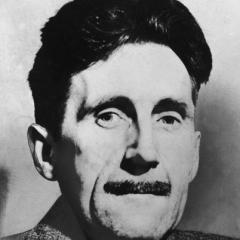
“The Party seeks power entirely for its own sake. We are not interested in the good of others; we are interested solely in power. Not wealth or luxury or long life or happiness; only power, pure power. The object of power is power. Now do you begin to understand me?”

Quote by George Orwell

Book:1984

Work

1984

George Orwell's '1984' is a seminal work of literature that explores themes of government control, individuality, and the erosion of privacy. The story is set in a future where the world is divided into three superstates, each engaged in perpetual war. The protagonist, Winston Smith, works for the Ministry of Truth and is disillusioned with the oppressive regime. The novel delves into the psychological and societal consequences of living under constant surveillance and the struggle for truth and freedom. more

Author

George Orwell
George Orwell

George Orwell, born Eric Arthur Blair, was a British novelist and political critic. Known for his sharp social criticism and profound insights into totalitarianism, Orwell is best remembered for his novels '1984' and 'Animal Farm', which remain influential to this day. more

You May Also Like

“تنشأ العاطفة بداخلنا في غفلة منا وغالباً ما يكون ذلك ضد ارادتنا. وبمجرد ما نتعمد الاحساس بها، لا تعود العاطفة عاطفة، بل تتحول إلى محاكاة عاطفة، وإلى استعراض لها. لكن هذا لا يعني أن الشخص الذي يحاكي عاطفة لا يحس بها. فالممثل الذي يؤدي دور الملك لير العجوز يشعر على الخشبة وأمام الجمهور بالحزن الصادق الذي يشعر به رجل مهجور عانى من الخيانة لكن هذا الشعور يتبخر لحظة نهاية التمثيل. لهذا فان االانسان العاطفي بعدما يبهرنا بمشاعره العظيمة، لا يلبث أن يحيرنا بلامبالاته الملغزة.”

“Chief Johnson has full faith on us. Which means if I can complete this task and hunt down the murderer, not only does the chief won't feel any uncertainty on Anthony and I, but the spirits of the victims can move on. It sounds silly to believe that the undead is still around, but it is the truth. And since I have a good heart, I must use it.”

“It has been said that Shakespeare, the great delineator of human character, has failed in distinguishing his principal women—and that such as he meant to be amiable are all equally gentle and good. How difficult then it is for a novelist to give to one of his heroines any very marked feature which shall not disfigure her! Too much reason and self-command destroy the interest we take in her distresses. It has been observed, that Clarissa is so equal to every trial as to diminish our pity. Other virtues than gentleness, pity, filial obedience, or faithful attachment, hardly belong to the sex.”