“Has it ever struck you that life is all memory, except for the one present moment that goes by you so quick you hardly catch it going?”
Quote by Tennessee Williams
Work
The Milk Train Doesn't Stop Here Anymore
This book delves into the experiences of immigrants as they navigate new environments and grapple with the complexities of their identities. more
Author
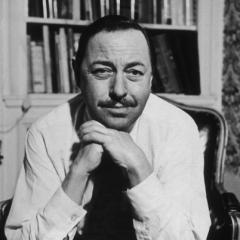
Tennessee Williams
American playwright, renowned for his profound psychological portrayals and unique dramatic style. His notable works include 'A Streetcar Named Desire' and 'The Glass Menagerie'. more
You May Also Like
Source: Fate Be Changed
Source: Fate Be Changed
“The bullies literally cram their will down the throats of those who are weaker.”
Source: Unapologetically You: Reflections on Life and the Human Experience
Source: Eddies of Life
Source: The Late Bloomers' Club
“Some of the best things in life take time to ripen.”
Source: The Late Bloomers' Club
“Do they have any of the old country songs, or is it all Taylor Swift?”
Source: The Late Bloomers' Club
“Everything has a way of cycling back.”
Source: The Late Bloomers' Club