“So, you see, what kept me from rushing in with an answer to you was not the difficulty of so doing, nor pressure of other work, nor the grandeur of your eloquence, nor fear of you, but simply disgust, disinclination, and distaste--which, if I may say so, express my judgment of your Diatribe.”
Quote by Martin Luther
Work
The Bondage of the Will
This book delves into the philosophical debate on the extent of human free will, examining the influence of determinism and predestination on individual choice and action. more
Author
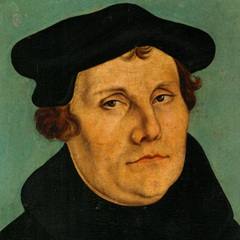
Martin Luther
Martin Luther, born on November 10, 1483 and died on February 18, 1546, was a significant figure in the German Reformation. He was a monk, theologian, philosopher, and writer, known for his leading role in the Reformation. Luther challenged the authority of the Roman Catholic Church and translated the Bible into German, which had a profound impact on German culture and religion. more
You May Also Like
Source: The Bondage of the Will
Source: Forbidden Knowledge: Anti-Esoteric Polemics and Academic Research
“Don't you quit. You keep walking, you keep trying, there is help and happiness ahead.”
Source: I See London, I See France
“Normal is boring. Who wants that?”
Source: Don't Even Think About It
Source: Don't Even Think About It
“Ketakutan selalu menemani hidup. Kau dan aku takkan pernah bisa lari darinya.”
Source: Titik Nol: Makna Sebuah Perjalanan
Source: The Last Leaf Of Autumn: Barefoot and falling, infinity is a number that has none to end