Quotessence
Home / Quotes / Quote by Sherman Alexie

Quote by Sherman Alexie

Work

The Absolutely True Diary of a Part-Time Indian

This novel is a candid and humorous account of a teenager's journey as he navigates the complexities of his identity and his place in the world. The protagonist, a young Native American, faces the challenges of transitioning from a reservation school to a predominantly white high school, while grappling with his own cultural heritage and the expectations of his family. more

Author
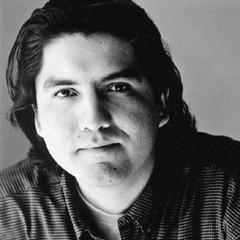
Sherman Alexie
Sherman Alexie

Sherman Alexie is an American poet, writer, and actor, known for his works that reflect the life of Native Americans. He was born on October 7, 1966, and grew up in the Confederated Tribes of the Umatilla Indian Reservation in Rainier, Washington. more

You May Also Like

“The casino was at the center of a constellation of transactions. I saw fishermen come to fish the lake; a woman looking for a job; elders cracking crab legs at the casino buffet—one of two restaurants on the reservation that served breakfast, lunch, and dinner; and a steady flow of men in suits. One morning, I watched a tour bus disgorge a hundred elderly passengers and learned they had come from a senior center in Bismarck. They were among the few patrons I saw come solely for the slots. The other gamblers were oil workers and tribal members, many of whom lived in the lodge.”

“During the 20th century, the Forestry Commission (FC) bought land and planted it with commercial forestry crops on a massive scale. In most cases the land was bought from cash-strapped private land-owners who were required, prior to afforestation, to terminate or otherwise end farm tenancies. What is less well known about this period of forestry expansion is that following purchase the FC embarked on an active programme of property ruination, involving the abandonment and deliberate destruction of hundreds of vacated residential properties, mainly farmsteads. The ruins of these farmsteads are still visible in many forests currently managed by Forestry and Land Scotland (FLS) and act as a poignant symbol of Scotland's clearance legacy.”

“She sold her hair; she sold her teeth, but it was never enough. The baby became lethargic and ceased to thrive. She called it “wasting fever”. When the baby died no money could be spared for burial, so she sealed him in an orange box weighed down with stones, and slipped him into the river. That furtive journey in the middle of the night with her dead baby was the moment when she finally accepted defeat, and knew that the inevitable had come. She and the children would have to go to the workhouse.”.”

“The reason why Jane’s spirit was not broken was that she had a secret. It was her own special secret and she had told no one else except Peggy. She locked it in her heart and hugged it to herself. It was this glorious secret that filled her with such irrepressible joy and exhilaration. But it was also to be the cause of her greatest disaster, and her life-long grief. The rumour that her father was a high-born gentleman in Parliament must have reached Jane’s ears when she was a little girl. Perhaps she had heard the officers talking about it, or perhaps another child had heard the adults talking and told her. Perhaps Jane’s mother had told another workhouse inmate, who had passed it on. One can never tell how rumours start. To Jane, it was not a rumour. It was an absolute fact. Her daddy was a high-born gentleman, who one day would come and take her away. She fantasised endlessly about her daddy. She talked to him, and he talked to her.”