Quotessence
Home / Quotes / Quote by Sylvia Plath

Quote by Sylvia Plath

“Even in the days I feel the worst, I feel glad to be alive. To be a part of this journey called life. To be one of the lucky 7 billion. Why was I chosen to be here? I must have a meaning, right? There's a big picture already painted of my life, my legacy, my happiness. I just have to trust in it.”

Quote by Sylvia Plath

Work

Letters of Sylvia Plath, Volume I: 1940-1956

Browse quotes and source details for this work. more

Author
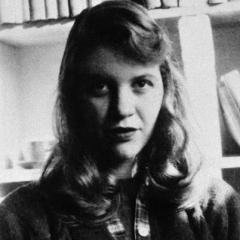
Sylvia Plath
Sylvia Plath

American poet, novelist, and playwright. Her works are known for their profound emotion and unique style, and she is considered one of the most important female writers of the 20th century. more

You May Also Like

“In truth, Thomas was being a faithful disciple of Jesus, who warned His disciples that “many will come in my name, saying, ‘I am the Messiah!’ and they will lead many astray” (Matt. 24:5). Indeed, Jesus affirms those who believe without seeing because such belief takes great faith. But that in no way suggests we should ignore evidence when it is available, as though doing so makes us more faithful. This impulse, combined with an often uncritical biblicism, not only neglects God’s command to love him with our minds, but leads us into unnecessary divisiveness and shallow literalism that blinds us to the deeper truth of Scripture. Therefore, during this process of self-emptying, we must be aware of and honest with our uncertainties. While we should never throw around our doubt with rebellious defiance, neither should we view our genuine questions and uncertainties as liabilities. Sometimes allowing ourselves to question deeply held beliefs opens us up to discovering that we were, in fact, in error, offering us the opportunity for more faithful understanding. Other times we discover that our fears are unfounded, returning to our former beliefs without doubt, yet stronger for it.”

“Control seems preferable to what we typically think of as its opposite--chaos. But I want to suggest that the opposite of control is not chaos. It is trust, and trust is far preferable to control. We want to control because we fear the outcome of letting God be in control. We fear we won't be taken care of, won't have what we need, or will be taken advantage of. But trying to be in control is futile, because in reality there is very little that we can control.”