“the Catch-22 of wrongology: in order to get rid of error, we would already need to be infallible.”
Quote by Kathryn Schulz
Work
Being Wrong: Adventures in the Margin of Error
This book delves into the concept of being wrong, examining how individuals and societies learn and grow through the process of making errors. It investigates the psychological, social, and philosophical aspects of error, offering insights into the human experience. more
Author
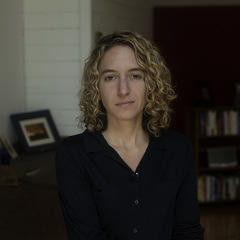
Kathryn Schulz
Kathryn Schulz is a renowned journalist known for her in-depth investigative reporting and unique analytical perspective. Her writing spans a wide range of topics from environmental issues to cultural phenomena, earning her praise for her sharp insights and rigorous academic approach. more
You May Also Like
Source: Six Scorched Roses
“To claim we are infallible is to prove we are fanatic.”
Source: Iftar-e Insaniyat: The First Supper
Source: Atonement
Source: The Witch of Blackbird Pond
“Back when I was a little kid and the world was my oyster. That seemed so long ago.”
Source: Later
Source: Borsada Oynanmaz
“Fear cannot capture us, criticism cannot harm us, and pride cannot make us fall.”
Source: The Love of Devotion
Source: (The House of Silk: The New Sherlock Holmes Novel) By Anthony Horowitz (Author) Paperback on
Source: Microscopy: A Very Short Introduction