Quotessence
Home / Quotes / Quote by Mary Renault

Quote by Mary Renault

“I left you to make you understand my mystery. Do not believe others will die, not you. It is not for that I'm your friend. By laying myself on the pyre, I became divine. I have wrestled with Thanatos knee to knee, and I know how death is vanquished. Man's immortality is not to live forever, for that wish is born of fear. Each moment free from fear, makes a man immortal.”

Quote by Mary Renault

Work

fire from heaven

This work of historical fiction delves into the formative period of a notable military leader from antiquity. The narrative examines the environment and experiences that shaped his character and ambitions during his youth. The novel is recognized as part of a larger literary exploration of ancient world history, focusing on the personal development and circumstances that contributed to one of history's most famous figures. The book has been noted for its attention to historical detail and the psychological depth applied to its central character. more

Author

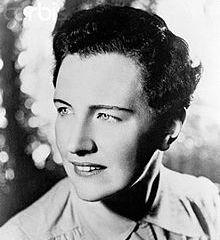
Mary Renault
Mary Renault

Mary Renault was a British writer renowned for her historical novels, often set in ancient Greece. Her works, characterized by detailed portrayals of ancient Greek society and profound character development, have won her a wide readership. Renault's unique writing style has left a lasting impact on the genre of historical fiction. more

You May Also Like

“A few weeks into our stay, I made a friend who wanted to improve his English as much as I wanted to improve my French. We met one day out in the crowd in front of Notre Dame. We walked to the Latin Quarter. We walked to a wine shop. Outside the wine shop there was seating. We sat and drank a bottle of red. We were served heaping piles of meats, bread, and cheese. Was this dinner? Did people do this? I had not even known how to imagine it. And more, was this all some elaborate ritual to get an angle on me? My friend paid. I thanked him. But when we left I made sure he walked out first. He wanted to show me one of those old buildings that seem to be around every corner in that city. And the entire time he was leading me, I was sure he was going to make a quick turn into an alley, where some dudes would be waiting to strip me of…what, exactly? But my new friend simply showed me the building, shook my hand, gave a fine bon soirée, and walked off into the wide open night. And watching him walk away, I felt that I had missed part of the experience because of my eyes, because my eyes were made in Baltimore, because my eyes were blindfolded by fear.”

“I have found myself leaning heavily on this pain. At first I tried to silence it, thinking it would go and leave me to my agitated content. That it would linger for a season, a firm reminder of the disquiet that lurks and coils below the surface of the stubbornly self-gratifying vision of our lives. Far from going, it became more clear, more precisely located, concrete, an object that occupied space within me, cockroachy, dark and intimate, emitting thick, stinking fumes that reeked of loneliness and terror. When I woke up in the morning, I groped for it, then sighed with plunging recognition as I felt it stirring inside me, alive and well.”

“The first thing to do is recognise that the rise of charlatans is a symptom of people being left behind. Charlatans are a symptom of the ills in our society more than they are a cause. And we need to be as angry about the ills that are making some voters seek out an alternative as they themselves are. Charlatans have been successful because they have effectively sold false remedies to the people who feel that the existing political structure hasn't worked for them. Just as the original charlatans could only ply their wares because a lot of people were very ill, so the modern-day charlatans are selling false remedies to legitimate grievances. Charlatans have employed two of the most powerful emotive forces to further their aims: anger and fear. Even if voters are sceptical about the alleged solutions of the charlatans, the fact that the populists are seemingly angry on their behalf has registered with them in a positive way. (pp. 98-99)”