“We who trade in landskips see the world not as it is but as it will be. When I walk in the park, which is not yet a park but an expanse of ground hitherto not enhanced but degraded by my work in it, I take little note of the ugly wounds where the earth has been heaved about to make banks and declivities to match those of my plan. I see only that the outline has been soundly drawn for the great picture I have designed. It is for Time to fill it with colour and to add bulk to those spare lines -- Time aided by Light and Weather, I suppose I should say as well, aided by God’s will, but it seems to me that to speak of the Almighty in these days is to invoke misfortune. It is more certain and less contentious to note that Water also is essential.”
Quote by Lucy Hughes-Hallett
Book:Peculiar Ground
Work
Peculiar Ground
Browse quotes and source details for this work. more
Author
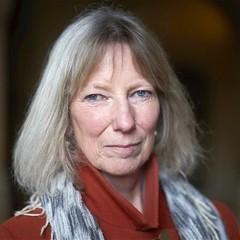
Lucy Hughes-Hallett
Lucy Hughes-Hallett is a renowned British cultural historian known for her in-depth research into modern art, literature, and history. Born on December 7, 1951, she graduated from Oxford University and later became a researcher at University College London. Her works cover the art and literature from the late 19th to the 20th century, with a particular focus on the works of female writers. more
You May Also Like
Source: A Pandemic Gardening Journal
“Whatever crimes this man had committed, they weren't as egregious as his inflated self-image.”
Source: Stolen Petals
“Three quarks for Muster Mark!”
Source: Finnegans Wake
“Quark," said the Quarkbeast.”
Source: The Last Dragonslayer
Source: The Case Against the Modern World: A Crash Course in Traditionalist Thought
Source: Fresh Oil and Loose Gravel: Road Poetry by Brian D'Ambrosio 1998-2008