Quotessence
Home / Quotes / Quote by Plato

Quote by Plato

Author

Plato
Plato

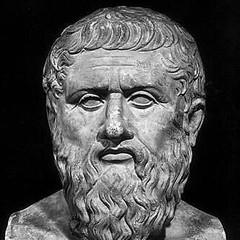
Plato (428 BC - 348 BC) was a prominent Greek philosopher, one of the most influential figures in Western philosophy. He founded the Academy, which was the first institution of higher education in the Western world. Plato's philosophy, centered around the theory of Forms, emphasized the importance of reason and morality. more

You May Also Like

“Ruth, when you go, we must flee with you. Follow me to the Salon, it will be chilly, but this is where I hid as a child when I did not want to be found; they will not find us now.”

“The two main criminals are France and the United States. They owe Haiti enormous reparations because of actions going back hundreds of years. If we could ever get to the stage where somebody could say, 'We're sorry we did it,' that would be nice. But if that just assuages guilt, it's just another crime. To become minimally civilized, we would have to say, 'We carried out and benefited from vicious crimes. A large part of the wealth of France comes from the crimes we committed against Haiti, and the United States gained as well. Therefore we are going to pay reparations to the Haitian people.' Then you will see the beginnings of civilization.”

“The first time he had taken the massa to one of these "high-falutin' to-dos," as Bell called them, Kunta had been all but overwhelmed by conflicting emotions: awe, indignation, envy, contempt, fascination, revulsion—but most of all a deep loneliness and melancholy from which it took him almost a week to recover. He couldn't believe that such incredible wealth actually existed, that people really lived that way. It took him a long time, and a great many more parties, to realize that they didn't live that way, that it was all strangely unreal, a kind of beautiful dream the white folks were having, a lie they were telling themselves: that goodness can come from badness, that it's possible to be civilized with one another without treating as human beings those whose blood, sweat, and mother's milk made possible the life of privilege they led.”