“Yea, and thy deeds shall thou know, and great shall thy gladness be; As a picture all of gold thy life-days shalt thou see, And know that thou too wert a God to abide through the hurry and haste; A God in the golden hall, a God on the rain-swept waste, A God in the battle triumphant, a God on the heap of the slain: And thine hope shall arise and blossom, and thy love shall be quickened again: And then shalt thou see before thee the face of all earthly ill; Thou shalt drink of the cup of awakening that thine hand hath holpen to fill; By the side of the sons of Odin shalt thou fashion a tale to be told In the hall of the happy Baldur: nor there shall the tale grow old Of the days before the changing, e'en those that over us pass. So harden thine heart, O brother, and set thy brow as the brass!”
Quote by William Morris
Work
The Saga of the Volsungs
Browse quotes and source details for this work. more
Author
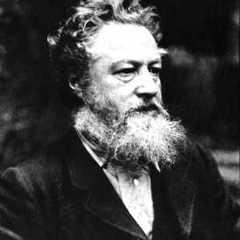
William Morris
William Morris was a prominent 19th-century British artist, poet, designer, and socialist. Known for his revival of medieval art and his contributions to the modern design movement, Morris advocated for craftsmanship and natural beauty in his designs. His work influenced the art and design of the late Victorian era. more
You May Also Like
“You never do get to go back to anything, but it really takes a long time to learn that….”
Source: Memoirs of a Beatnik
Source: 94,000 Wasps in a Trench Coat
Source: The Moral Judgement of Butterflies
“Of course, we miss what we choose to remember.”
Source: The Moral Judgement of Butterflies
“I even got out my old sled and my old scarf. There is something cozy about that for me.”
Source: The Perks of Being a Wallflower
“This life now has nothing to equal to the places and moments we passed through to get here”
Source: Happiness, as Such
Source: Jefferies' England: Nature Essays by Richard Jefferies
Source: Oxford Beautiful England Series