Quotessence
Home / Quotes / Quote by John Cowper Powys

Quote by John Cowper Powys

“Harry Stickles certainly did possess quite a number of peculiarities which would have been nerve-racking to any less well-constituted girl. These nasty little ways were made worse by the man's preposterous and incredible conceit. But Nancy had been given by Nature one supreme gift—wherein only one other person in Glastonbury rivalled her, and that was John Crow—the gift of forgetting.”

Quote by John Cowper Powys

Work

A Glastonbury Romance

Browse quotes and source details for this work. more

Author
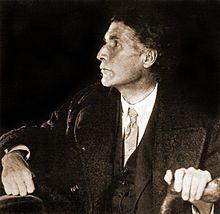
John Cowper Powys
John Cowper Powys

John Cowper Powys was an English novelist known for his profound psychological insights and exploration of human nature. His works are characterized by complex plots and rich symbolism, covering a wide range of themes from history to philosophy. more

You May Also Like

“You don’t realise until you have no memories at all that you are a product of them. When you are an empty sheet of paper, you can’t even relate to yourself let alone to anyone else. You have no north and south. No right or left. You don’t know how to think and you don’t know what you think. Now that I have remembered things – I think – I wonder if I was better off not knowing.”

“I couldn't under stand anything I saw in the picture at all. How could the players care, after the way they had humiliated themselves (and, of course, me) seven days - seven days - before? Why would any fan who had suffered at Wembley the way I had suffered stand up to cheer a nothing goal in a nothing match? I used to stare at this photo for minutes at a time, trying to detect somewhere within it any evidence of the trauma of the previous week, some hint of grief or of mourning, but there was none: apparently everyone had forgotten except me.”

“Perhaps you have forgotten. That’s one of the great problems of our modern world, you know. Forgetting. The victim never forgets. Ask an Irishman what the English did to him in 1920 and he’ll tell you the day of the month and the time and the name of every man they killed. Ask an Iranian what the English did to him in 1953 and he’ll tell you. His child will tell you. His grandchild will tell you. And when he has one, his great-grandchild will tell you too. But ask an Englishman—” He flung up his hands in mock ignorance. “If he ever knew, he has forgotten. ‘Move on!’ you tell us. ‘Move on! Forget what we’ve done to you. Tomorrow’s another day!’ But it isn’t, Mr. Brue.” He still had Brue’s hand. “Tomorrow was created yesterday, you see. That is the point I was making to you. And by the day before yesterday, too. To ignore history is to ignore the wolf at the door.”