“Say Bank A is holding $10 million in A-minus-rated IBM bonds. It goes to Bank B and makes a deal: we’ll pay you $50,000 a year for five years and in exchange, you agree to pay us $10 million if IBM defaults sometime in the next five years—which of course it won’t, since IBM never defaults. If Bank B agrees, Bank A can then go to the Basel regulators and say, “Hey, we’re insured if something goes wrong with our IBM holdings. So don’t count that as money we have at risk. Let us lend a higher percentage of our capital, now that we’re insured.” It’s a win-win. Bank B makes, basically, a free $250,000. Bank A, meanwhile, gets to lend out another few million more dollars, since its $10 million in IBM bonds is no longer counted as at-risk capital. That was the way it was supposed to work. But two developments helped turn the CDS from a semisensible way for banks to insure themselves against risk into an explosive tool for turbo leverage across the planet. One is that no regulations were created to make sure that at least one of the two parties in the CDS had some kind of stake in the underlying bond. The so-called naked default swap allowed Bank A to take out insurance with Bank B not only on its own IBM holdings, but on, say, the soon-to-be-worthless America Online stock Bank X has in its portfolio. This is sort of like allowing people to buy life insurance on total strangers with late-stage lung cancer—total insanity. The other factor was that there were no regulations that dictated that Bank B had to have any money at all before it offered to sell this CDS insurance.”
Quote by Matt Taibbi
Work
Griftopia: Bubble Machines, Vampire Squids, and the Long Con That Is Breaking America
This book delves into the complex world of financial schemes and political intrigue, exploring how they contribute to the economic and social challenges faced by the nation. more
Author
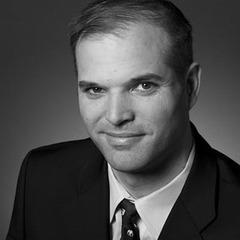
Matt Taibbi
Matt Taibbi is an American author known for his critical reporting on the financial industry. His work often exposes corruption and injustice within the financial sector and is widely recognized for his sharp commentary. more
You May Also Like
“MONEY SPEAKS ONLY ONE LANGUAGE. IF YOU SAVE ME TODAY, WILL SAVE YOU TOMORROW.”
“Give a purpose to life by solving issue in different ways.”
Source: New Reform
Source: The Sober Truth: Debunking the Bad Science Behind 12-Step Programs and the Rehab Industry
Source: The Sober Truth: Debunking the Bad Science Behind 12-Step Programs and the Rehab Industry
Source: The Sober Truth: Debunking the Bad Science Behind 12-Step Programs and the Rehab Industry
“Where your attention goes, your time goes”
Source: Wealth for All: Living a Life of Success at the Edge of Your Ability
Source: The Sober Truth: Debunking the Bad Science Behind 12-Step Programs and the Rehab Industry
Source: The Sober Truth: Debunking the Bad Science Behind 12-Step Programs and the Rehab Industry