“Those of us in the first American generations have had to figure out how the invisible world the emigrants built around our childhoods fits in solid America.”
Quote by Maxine Hong Kingston
Work
The Woman Warrior: Memoirs of a Girlhood Among Ghosts
This memoir delves into the complex identity of the author, a Chinese-American woman, as she navigates her cultural heritage and personal experiences. The narrative intertwines her own girlhood memories with traditional Chinese stories and legends, creating a rich tapestry of personal and cultural history. more
Author
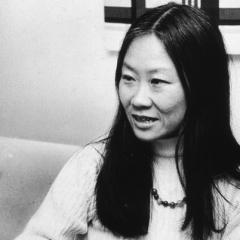
Maxine Hong Kingston
Maxine Hong Kingston is an influential American author known for her pioneering work in the genre of creative non-fiction. Born on October 27, 1940, she has made significant contributions to American literature with her distinctive narrative style and exploration of cultural identity. Her most notable works include 'The Woman Warrior' and 'China Men', which have been pivotal in shaping the narrative of Asian American identity. more
You May Also Like
Source: Ignorance
“Equality, though conceived very largely in America, des not extend so low down as to an emigrant.”
Source: Across the Plains
Source: Kiša i hartija
Source: Skucha
“The truth of life is that, even the doctor needs a doctor.”
“There is a remedy in the bath that shower lovers mistakenly ignore.”