Quotessence
Home / Quotes / Quote by Stephen King

Quote by Stephen King

“The trouble with living alone, she had discovered-and the reason why most people she knew didn't like to be alone even for a little while-was that the longer you lived alone, the louder the voices on the right side of your brain got.”

Quote by Stephen King

Work

The Tommyknockers

Catherine Corrigan, a writer, moves to a small town in Maine, where she encounters mysterious occurrences and strange beings known as the Tommyknockers. The story explores themes of alien influence, the nature of reality, and the psychological impact of extraordinary events. more

Author

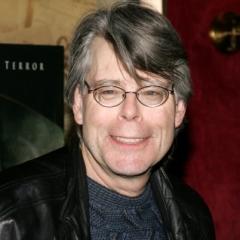
Stephen King
Stephen King

Stephen King, born on September 21, 1947, is a renowned American author. His works primarily focus on horror, fantasy, and science fiction, and have won him a wide audience. King has received numerous literary awards in the United States, including the Edgar Allan Poe Award and the World Fantasy Award. more

You May Also Like

“If people feel lost and alone and helpless and broken and hopeless today, what will it be like if the world really begins to come apart at the hinges?”

“No one ever said aloud any of the kinds of things he was so constantly thinking, because no one in the parish, not Alice, not Lady Higgs, not anybody, ever seemed to see the things he saw. If they thought as he did, if they saw what he did, they never mentioned it; and to have things which are precious to one eternally unmentioned makes one, he had long discovered, lonely. These August nights, for instance—remarkably and unusually beautiful, warm and velvety as he had never known them, ushered in each evening by the most astonishing variety of splendid sunsets—nobody had said a single word about them. They might have been February ones, for all the notice they got. Sometimes he climbed up to the top of Burdon Down towards evening, and stood staring in amazement at what looked like heaven let loose in flames over England; but always he stood alone, always there was no one but himself up there, and no one afterwards, when he descended from his heights, seemed to be aware that anything unusual had been going on.”

“But he also knew that, as much as he wanted to aid and console the soldier, he wanted to be alone in his room with the night coming down and a book close by and pen and paper and the knowledge that the door would remain shut until the morning came and he would ne be disturbed. The gap between these two desires filled him with sadness and awe at the mystery of the self, the mystery of having a single consciousness, knowing merely its own bare feelings and experiencing singly and alone it own pain or fear or pleasure or complacency.”