Quotessence
Home / Quotes / Quote by Jessamyn West

Quote by Jessamyn West

“What is it?" I asked. "Rain," she said. "It's too early for rain." "That's what you think. Open the door. You'll see." I turned off the air conditioner so that we could hear better, slid open the glass door -- and the soft thunder of rain falling onto sand curtained us in. Deaf, we would still have known it was raining: smell would have told us; the smell of dry earth watered, of dehydrated vegetation reconstituted, the smell of resurrection. The first rain in a dry land! It smells better than lilies in July, or the ocean, or the wind in sun-warmed pines, or the irrigated patch of alfalfa you reach after a long haul through dry hills. It is hard to smell that sweetness and believe in death.”

Quote by Jessamyn West

Work

A Matter of Time

A detailed narrative that delves into the complexities of time, its perception, and its impact on human lives and relationships. more

Author

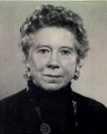
Jessamyn West
Jessamyn West

Jessamyn West was an American writer born on July 18, 1902, and died on February 23, 1984. Known for her profound portrayal of rural life in the American Southwest, West's works are characterized by humor and satirical insights into character and social change. more

You May Also Like

“OUCH "The arrabal (a term used for poor neighbourhoods in Argentina and Uruguay) and carpa (informal mobile theatre set up inside tents, once common in Latin America), with their caliente (hot) rhythms such as the rumba or the cha-cha-cha, were conquering audiences all over the world, a trend allegorised in song lyrics about their popularity among the French and other non-Latin Americans - "The Frenchman has fun like this/as does the German/and the Irishman has a ball/as does even the Muslim" ("Cachita") - even as they filtered in the presence of a blackness - "and if you want to dance/look for your Cachita/and tell her "Come on negrita"/let's dance" - denied in the official discourse of those Spanish=speaking countries wielding the greatest economic power in the region: namely, Argentina and Mexico, the latter of which would eventually incorporate Afro-Latin American culture into its cinema - although being careful to mark it as Cuban and not Mexican.”

“Inky blackness was dotted with glimmering spots of light. The slender curve of a pastel blue planet, half-shaded in darkness, loomed in the distance. Space; she was in space. Despite how illogical it sounded, she was on a spaceship. Pressing a hand against the glass, she stared out into the unending expanse of space and found herself questioning not just reality but also her sanity. This couldn’t possibly be real. There had to be some sort of explanation.”