“I see Barsad, and Cly, Defarge, The Vengeance, the Juryman, the Judge, long ranks of the new oppressors who have risen on the destruction of the old, perishing by this retributive instrument, before it shall cease out of its present use. I see a beautiful city and a brilliant people rising from this abyss, and, in their struggles to be truly free, in their triumphs and defeats, through long years to come, I see the evil of this time and of the previous time of which this is the natural birth, gradually making expiation for itself and wearing out. "I see the lives for which I lay down my life, peaceful, useful, prosperous and happy, in that England which I shall see no more. I see Her with a child upon her bosom, who bears my name. I see her father, aged and bent, but otherwise restored, and faithful to all men in his healing office, and at peace. I see the good old man, so long their friend, in ten years' time enriching them with all he has, and passing tranquilly to his reward. "I see that I hold a sanctuary in their hearts, and in the hearts of their descendants, generations hence. I see her, an old woman weeping for me on the anniversary of this day. I see her and her husband, their course done, lying side by side in their last earthly bed, and I know that each was not more honoured and held sacred in the other's soul, than I was in the souls of both. "I see that child who lay upon her bosom and who bore my name, a man winning his way up in that path of life which once was mine. I see him winning it so well, that my name is made illustrious there by the light of his. I see the blots I threw upon it, faded away. I see him, foremost of just judges and honoured men, brining a boy of my name, with a forehead that I know and golden hair, to this place---then fair to look upon, with not a trace of this day's disfigurement---and I hear him tell the child my story, with a tender and faltering voice. "It is a far, far better thing that I do, than I have ever done; it is a far, far better rest that I go to than I have ever known.”
Quote by Charles Dickens
Work
Charles Dickens' novel explores themes of revolution, love, and fate through the lives of characters living in the tumultuous era of the late 18th and early 19th centuries. more
Author
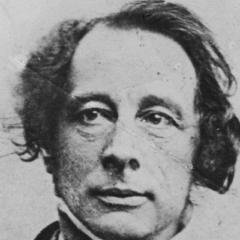
Charles Dickens, a British writer born on February 7, 1812, and died on June 9, 1870, is one of the greatest novelists of the 19th century. Known for his profound social criticism and vivid narrative style, Dickens' works extensively cover social reality, revealing various issues in the British society of the time. more
You May Also Like
“It sucks to be broken and pretend that it's a beautiful version of yourself.”
“It's okay to be an introvert. The unknown and the quiet are beautiful.”
“Success is not a selfish goal, but it can be a lonely road. Be prepared for what it holds.”
“She didn't really give him a second thought till he told her "You're beautiful".”