Quotessence
Home / Quotes / Quote by Nathaniel Hawthorne

Quote by Nathaniel Hawthorne

Work

The Scarlet Letter

Nathaniel Hawthorne's classic novel is a profound exploration of human nature and the consequences of sin in a Puritan community. The protagonist, Hester Prynne, faces societal judgment and personal turmoil after being caught in an adulterous affair. The novel delves into themes of guilt, forgiveness, and the struggle for identity, while also examining the complexities of human relationships and the role of society in shaping individual lives. more
Author

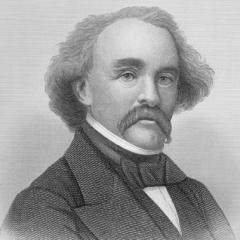
Nathaniel Hawthorne
Nathaniel Hawthorne

Nathaniel Hawthorne was an American novelist known for his Gothic novels and romantic works. His writings often delve into themes of morality and sin, influenced by his family history and Puritan background. more

You May Also Like

“We all colour devotion according to our own likings and dispositions. One man sets great value on fasting, and believes himself to be leading a very devout life, so long as he fasts rigorously, although the while his heart is full of bitterness;–and while he will not moisten his lips with wine, perhaps not even with water, in his great abstinence, he does not scruple to steep them in his neighbour’s blood, through slander and detraction.”

“Had there been a Papist among the crowd of Puritans, he might have seen in this beautiful woman, so picturesque in her attire and mien, and with the infant at her bosom, an object to remind him of the image of Divine Maternity, which so many illustrious painters have vied with one another to represent; something which should remind him, indeed, but only by contrast, of that sacred image of sinless motherhood, whose infant was to redeem the world. Here, there was the taint of of deepest sin in the most sacred of quality of human life, working such effect, that the world was only the darker for this woman's beauty, and the more lost for the infant that she had borne.”

“But in his lapsed and sinful state, man is not capable, of any by himself, either to think, to will, or to do that which is really good, but it is necessary for him to be regenerated and renewed in his intellect, affections or will, and in all his powers, by God in Christ through the Holy Spirit, that he may be qualified rightly to understand, esteem, consider, will, and perform whatever is truly good. When he is made a partaker of this regeneration or renovation, I consider that, since he is delivered from sin, he is capable of thinking, willing, and doing that which is good, but yet not without the continued aids of Divine Grace.”