Quotessence
Home / Quotes / Quote by Rosalind Miles

Quote by Rosalind Miles

“Since women are not inferior, they had to be bombarded with a massive literature of religious, social, biological and, more recently, psychological ideology to explain, insist, that women are secondary to men. And to make women believe that they are inferior what better subject for this literature of religious teaching, cautionary folk tales, jokes and customs, than the female body?”

Quote by Rosalind Miles

Work

Who Cooked the Last Supper? The Women's History of the World

Browse quotes and source details for this work. more

Author
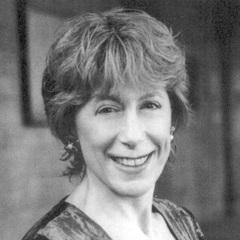
Rosalind Miles
Rosalind Miles

Rosalind Miles is a British author born on January 6, 1943. She is known for her historical novels and biographies, particularly for her stories about medieval women. more

You May Also Like

“Women Ain't Hood Ornament (The Sonnet) Why should women have to give up, Their name when they get married, As if they are not real people, But hood ornament to their husband! Why should a child be identified only, By their father's name, not mother's, Who by the way is the root of creation, Who is the actual almighty creator! It is a sad state of affairs when, Morons peddle moronity as tradition. Shame on us for sustaining such savagery, As we do not put our backbone to action! Each couple must determine the parameters of their relationship, not some ragged tradition. Only norm that matters is love, for in love lies emancipation.”

“We have been raised to fear the yes within ourselves, our deepest cravings. But, once recognized, those which do not enhance our future lose their power and can be altered. The fear of our desires keeps them suspect and indiscriminately powerful, for to suppress any truth is to give it strength beyond endurance. The fear that we cannot grow beyond whatever distortions we may find within ourselves keeps us docile and loyal and obedient, externally defined.”

“In terms of understanding the patriarchal struggle for control of women's bodies, the issue of blood is a major preoccupation. For not only did women bleed every month, from girlhood for all over their adult lives; every stage of their journey as women, every passage from one state to the next (menarche, defloration, childbirth) was also marked by the flow of blood with its frighteningly ambivalent signal of both life and death. The greater the danger the stronger the taboo. All these "courses" of women's lives have triggered an intricate and often savage set of myths, beliefs and customs in which the containment of cultural fears overrode any personal concern for the female who was ostensibly the cause and center of it all.”

“Domination was not absolute, systems were imperfect, there was still too much room to maneuver - control could not be based on an organ that men could not control. There had to be more - an idea of imminent, eternal maleness that was not physical, visible, fallible; one that was greater than all women because greater than man; whose power was omnipotent and unquestionable - one god, God the father, who man now invented in his own image.”

“To women, therefore, the effect was broadly the same, however the message of male supremacy came packaged. All these systems - Judaism, Confucianism, Buddhism, Christianity and Islam - were presented to them as holy, the result of divine inspiration transmitted from a male power to males empowered for this purpose, thereby enshrining maleness itself as power.”