Quotessence
Home / Quotes / Quote by John Ruskin

Quote by John Ruskin

“We must see that there is a sublimity and majesty in monotony, when there is not a frequent or rapid variation. This is true throughout all nature. The greater part of the sublimity of the sea depends on its monotony. So also that of desolate moor and mountain scenery; and especially the sublimity of motion.So also there is sublimity in darkness when there is no light.”

Quote by John Ruskin

Work

On Art and Life

Browse quotes and source details for this work. more

Author

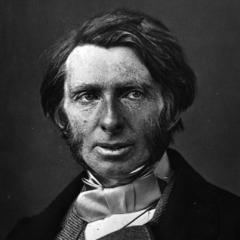
John Ruskin
John Ruskin

John Ruskin was an influential British art critic, writer, and social critic. Known for his profound insights into art, architecture, and social issues, he had a significant impact on the aesthetics and culture of the Victorian era. more

You May Also Like

“He smiles and his wavy haired, bright eyed head scoops me in but quickly lands on Mimi. It lingers a bit long, his chest frozen as if the breath's been knocked out; he already loves her. Mothers know these things. It's the kind of love that springs from awe, attraction, intellectual curiosity, and finding a woman mom approves of... the girl next door with exciting fangs. I wonder if their offspring will have fangs.”

“Great art, whether expressing itself in words, colours, or stones, does not say the same thing over and over again; that the merit of architectural, as of every other art, consists in its saying new and different things; that to repeat itself is no more a characteristic of genius in marble than it is of genius in print; and that we may, without offending any laws of good taste, require of an architect, as we do of a novelist, that he should be not only correct, but entertaining.”

“It is not that the noble nature loves monotony, any more than it loves darkness or pain. But it can bear with it, and receive a high pleasure in the endurance or patience, a pleasure necessary to the well-being of this world; while those who will not submit to the temporary sameness, but rush from one change to another, gradually dull the edge of change itself, and bring a shadow and weariness over the whole world from which there is no more escape.”