“The wealth of the imperial countries is our wealth too. On the universal plane this affirmation, you may be sure, should on no account be taken to signify that we feel ourselves affected by the creations of Western arts or techniques. For in a very concrete way Europe has stuffed herself inordinately with the gold and raw materials of the colonial countries: Latin America, China, and Africa. From all these continents, under whose eyes Europe today raises up her tower of opulence, there has flowed out for centuries toward that same Europe diamonds and oil, silk and cotton, wood and exotic products. Europe is literally the creation of the Third World. The wealth which smothers her is that which was stolen from the underdeveloped peoples. The ports of Holland, the docks of Bordeaux and Liverpool were specialized in the Negro slave trade, and owe their renown to millions of deported slaves. So when we hear the head of a European state declare with his hand on his heart that he must come to the aid of the poor underdeveloped peoples, we do not tremble with gratitude. Quite the contrary; we say to ourselves: "It's a just reparation which will be paid to us.”
Quote by Frantz Fanon
Work
The Wretched of the Earth
Frantz Fanon's influential text delves into the psychological and political aspects of colonialism, offering insights into the experiences of the colonized and the path to liberation. more
Author
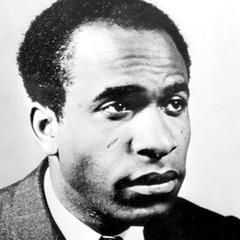
Frantz Fanon
French psychiatrist and influential figure in the decolonization movement. Born in Martinique, Fanon was educated in France and worked as a psychiatrist in Algeria. His works, 'The Wretched of the Earth' and 'The Philosophy of the Revolution', have had a profound impact on postcolonial and liberation theories. more
You May Also Like
Source: Second Treatise of Government
Source: The God Players: A Legal Thriller
“You don't right the wrongs of the past by wronging the people of the present.”
Source: "Zaki's Gift Of Love"
“Everyone makes mistakes, but not everyone is brave enough to apologize.”
Source: No Secrets: Remastered
Source: Take Me for Granted
Source: Take Me for Granted
“Hidup bahagia selamanya itu nggak ada, tapi bukan berarti kita nggak bisa ngerasa bahagia.”
Source: Take Me for Granted