“Multiculturalism compels educators to recognize the narrow boundaries that have shaped the way knowledge is shared in the classroom. It forces us all to recognize our complicity in accepting and perpetuating biases of any kind.”
Quote by Bell Hooks
Work
Teaching to Transgress: Education as the Practice of Freedom
Browse quotes and source details for this work. more
Author
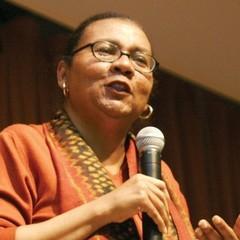
Bell Hooks
Bell Hooks, born Gloria Jean Watkins, is an American author, scholar, and activist. Her work primarily focuses on issues of race, gender, and social justice, particularly on feminist and black feminist thought. Hooks' works include novels, poetry, academic writings, and autobiographies, and her writing style is beloved by readers for its profound social insight and desire for change. more
You May Also Like
Source: Dreams of the Immortal City Savannah
Source: Children of Dune
Source: El señor del Sabbath
Source: The Long-Lost Home
Source: The Poet X
Source: The Witches Are Coming
Source: Wait Till Next Year
Source: Intellectuals and Society
Source: The Five Percent: Finding Solutions to Seemingly Impossible Conflicts