“I had spent ten miserable years looking for her...”
Quote by Tom Waits
Author
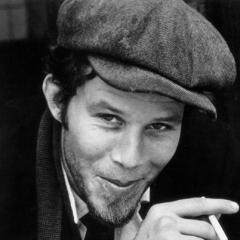
Tom Waits
Tom Waits, born on December 7, 1949, is an influential American singer-songwriter and actor. Known for his unique musical style that blends blues, jazz, folk, and country elements, he is often referred to as 'the oddball of American music.' Waits is renowned for his distinctive voice and expressive lyrics, and his work has earned high praise in both the music and literary worlds. more
You May Also Like
Source: Man is Part of the Whole: Silence, Love, Joy, Truth, Compassion, Freedom and Grace
Source: How to Build a Boat
“Communication is a love letter.”
Source: Speaking with the Heart: Transforming Your Relationship and Communication with Compassion and Connection
Source: Decoding Alpha Employees: Catalysts for Growth or Chaos?
Source: Part-Time Husband
“A marriage is less about how many people are in it and more about how happy you are.”
Source: This Is Not the End
Source: Sexing the Cherry
“my husband, the first time i kissed him he turned into a frog”
Source: Sexing the Cherry
Source: Jane Eyre
Source: The State of Affairs: Rethinking Infidelity