“ADAMANT, n. A mineral frequently found beneath a corset. Soluble in solicitate of gold.”
Quote by Ambrose Bierce
Work
The Unabridged Devil's Dictionary
This book is a compilation of witty and often irreverent definitions, challenging conventional meanings and offering a critical commentary on society and human nature. It is a work of literary wit and social critique, celebrated for its clever wordplay and sharp observations. more
Author
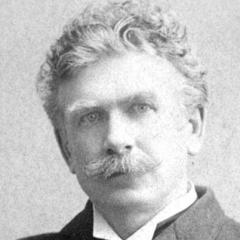
Ambrose Bierce
Ambrose Bierce was an American journalist, satirist, and editor, renowned for his sharp wit and dark humor. He is best known for his satirical novel 'The Devil's Dictionary' and his short stories. Bierce was born on June 24, 1842, and his exact date of death remains unknown, as he disappeared during the American Civil War. more
You May Also Like
Source: One Good Knight
“We all have an infinite wellspring of love and healing within us just waiting to be tapped into.”
Source: Spiritual Words to Live by : 81 Daily Wisdoms and Meditations to Transform Your Life
Source: How Long 'til Black Future Month?
“Unbecome everything that's not helping you become your best self”
“You are more powerful when you innerstand your emotional vantage point.”
“When you're in the process you have to pray away the unnecessary excess.”
“Be okay with your different because your different will bring you to places that fit you.”
“People pleasing has the ability to hold you in spaces past the expiration date.”