“When kindness has left people, even for a few moments, we become afraid of them, as if their reason has left them.”
Book:My Mortal Enemy
“When kindness has left people, even for a few moments, we become afraid of them, as if their reason has left them.”
My Mortal Enemy is a novel by Willa Cather that delves into the psychological dynamics of a relationship between a man and a woman, focusing on the gradual erosion of love and the emergence of deep-seated animosity. The story follows the couple through their life together, revealing how initial passion gives way to bitterness and conflict. Cather's narrative examines themes of pride, sacrifice, and the often-unspoken tensions that can define intimate partnerships, offering a poignant reflection on the human capacity for both devotion and enmity within the closest of bonds. more
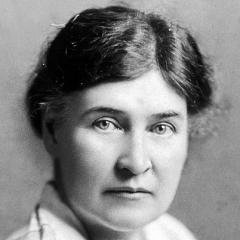
American author known for her depictions of the American Midwest. Cather's works often feature female protagonists, showcasing their resilience and growth in challenging environments. Her notable works include 'My Ántonia' and 'O Pioneers!' more
“Choose being kind over being right and you'll never be wrong.”
“Those who make time for others are forever blessed”
“Definitions from Mulla Do-Piaza A fool: A man trying to be honest with the dishonest.”
“become the good that you want to see spread into this world”