Quotessence
Home / Quotes / Quote by Max Frisch

Quote by Max Frisch

“Wir sind nicht fertig geworden miteinander. Und darum, glaube ich, haben wir uns trotz allem nicht trennen können. Der arme Monsieur Dmitritsch! Er könnte alle ersinnbaren Qualitäten eines Mannes haben, vergeblich, er würde nie aufkommen gegen das Vakuum, das uns verbindet.”

Quote by Max Frisch

Book:Stiller

Work

Stiller

Browse quotes and source details for this work. more

Author

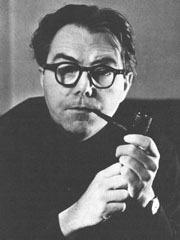
Max Frisch
Max Frisch

Max Frisch was a Swiss playwright and novelist, born on May 15, 1911, and died on April 4, 1991. Known for his unique narrative style and profound insights into modern society, Frisch is considered one of the most outstanding Swiss writers of the 20th century. more

You May Also Like

“कभी कभी मेरे दिल मैं ख्याल आता हैं कि ज़िंदगी तेरी जुल्फों कि नर्म छांव मैं गुजरने पाती तो शादाब हो भी सकती थी। यह रंज-ओ-ग़म कि सियाही जो दिल पे छाई हैं तेरी नज़र कि शुआओं मैं खो भी सकती थी। मगर यह हो न सका और अब ये आलम हैं कि तू नहीं, तेरा ग़म तेरी जुस्तजू भी नहीं। गुज़र रही हैं कुछ इस तरह ज़िंदगी जैसे, इससे किसी के सहारे कि आरझु भी नहीं. न कोई राह, न मंजिल, न रौशनी का सुराग भटक रहीं है अंधेरों मैं ज़िंदगी मेरी. इन्ही अंधेरों मैं रह जाऊँगा कभी खो कर मैं जानता हूँ मेरी हम-नफस, मगर यूंही कभी कभी मेरे दिल मैं ख्याल आता है”

“चलो इक बार फिर से अजनबी बन जाएँ हम दोनों। न मैं तुम से कोई उम्मीद रखूँ दिल-नवाज़ी की। न तुम मेरी तरफ़ देखो ग़लत-अंदाज़ नज़रों से। न मेरे दिल की धड़कन लड़खड़ाए मेरी बातों से। न ज़ाहिर हो तुम्हारी कश्मकश का राज़ नज़रों से। तुम्हें भी कोई उलझन रोकती है पेश-क़दमी से। मुझे भी लोग कहते हैं कि ये जल्वे पराए हैं। मिरे हमराह भी रुस्वाइयाँ हैं मेरे माज़ी की। तुम्हारे साथ भी गुज़री हुई रातों के साए हैं। तआ'रुफ़ रोग हो जाए तो उस का भूलना बेहतर। तअ'ल्लुक़ बोझ बन जाए तो उस को तोड़ना अच्छा। वो अफ़्साना जिसे अंजाम तक लाना न हो मुमकिन उसे इक ख़ूबसूरत मोड़ दे कर छोड़ना अच्छा। चलो इक बार फिर से अजनबी बन जाएँ हम दोनों।”

“If I am in a state of becoming, it has no endpoint. I imagine replacing the memories of everyone I've ever spoken to with the impression that they have only ever seen me as a being clothed in light. In the early part of the twentieth century, homophobes and eugenicists joined forces to study what they called inversion, an early term for homosexuality, gender nonconformity, and transness. They believed they could read and police queerness on the body. Maybe this is why I don't want to make myself legible. I want to erase the meanings that have been ascribed to my breath, to my sweat, to my hair and fat and skin. I trace the green veins in my neck that branch down into my breasts as feathers. I am painting myself as the bird that, to the world outside this room, does not exist. I draw myself clothed in wings and tell myself that even the angels are sexless.”

“I do not believe in the creed professed by the Jewish church, by the Roman church, by the Greek church, by the Turkish church, by the Protestant church, nor by any church that I know of. My own mind is my own church. All national institutions of churches, whether Jewish, Christian, or Turkish, appear to me no other than human inventions set up to terrify and enslave mankind, and monopolize power and profit.”

“Romanticism embodied "a new and restless spirit, seeking violently to burst through old and cramping forms, a nervous preoccupation with perpetually changing inner states of consciousness, a longing for the unbounded and the indefinable, for perpetual movement and change, an effort to return to the forgotten sources of life, a passionate effort at self-assertion both individual and collective, a search after means of expressing an unappeasable yearning for unattainable goals.”