“These examples suggest what one needs to learn to control attention. In principle any skill or discipline one can master on one’s own will serve: meditation and prayer if one is so inclined; exercise, aerobics, martial arts for those who prefer concentrating on physical skills. Any specialization or expertise that one finds enjoyable and where one can improve one’s knowledge over time. The important thing, however, is the attitude toward these disciplines. If one prays in order to be holy, or exercises to develop strong pectoral muscles, or learns to be knowledgeable, then a great deal of the benefit is lost. The important thing is to enjoy the activity for its own sake, and to know that what matters is not the result, but the control one is acquiring over one’s attention.”
Quote by Mihaly Csikszentmihalyi
Work
This work delves into the concept of flow—a mental state characterized by deep immersion and energized focus during productive activities. The book examines how people can integrate this psychological phenomenon into their everyday lives, transforming routine tasks into meaningful experiences. It explores the conditions that facilitate flow states, the relationship between challenge and skill in achieving optimal experience, and the ways in which individuals can cultivate greater engagement with work, relationships, and personal pursuits. The text offers insight into the psychological foundations of intrinsic motivation and the factors that contribute to a sense of fulfillment in daily living. more
Author
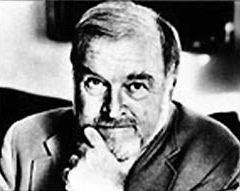
Mihaly Csikszentmihalyi is a renowned psychologist known for his research on the concept of flow. His work focuses on human creativity and happiness, particularly the psychological state of being fully immersed in an activity. more
You May Also Like
“The man who never alters his opinion is like standing water, and breeds reptiles of the mind.”
“if you feel happy, Smile with all your heart. if you're down, smile with all your might.”
“This is one of the disadvantages of wine, it makes a man mistake words for thoughts.”
“You will always be the answer, when somebody asks me what I'm thinking about.”