“The eye of wahdat looks out at the world with no judgments. Sufis in a state of wahdat look outwards and have no complaints against God. They see the perfection of everything as it is. It does not mean they see saint and sinner as well as justice and injustice as equal. They see the differences and contradictions, but also see their perfection and usefulness in the beautiful state of wahdat. If there is an injustice, the dervish will try to make it right while still seeing the perfection of the Oneness. (p. 75)”
Quote by Kabir Helminski
Work
In the House of Remembering: The Living Tradition of Sufi Teaching
Browse quotes and source details for this work. more
Author
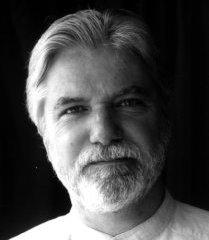
Kabir Helminski
Kabir Helminski is a renowned author born in 1947. His works primarily focus on spirituality, philosophy, and mysticism, which have won him a wide readership. more
You May Also Like
Source: In the House of Remembering: The Living Tradition of Sufi Teaching
Source: In the House of Remembering: The Living Tradition of Sufi Teaching
“A presumption becomes a self-refuting assertion". ~R. Alan Woods [2012]”
Source: The Journey Is The Destination: A Photo Journal
Source: The Secret Thoughts of an Unlikely Convert: An English Professor's Journey Into Christian Faith
“To Love Is Nothing To Be Loved Is Something To Love And Be Loved, Is Everything”
“Life is like a river. Don't swim just float. Be a watcher. everything change except watcher.”
“La Torre del Amor… brilla sola en las noches tiernas donde tu recuerdo ya no descansa.” — PARIS”
Source: Poemas del Verano en Paris: Poems of my summer in Paris
“The watcher on the walls. The sword in the darkness.”
Source: A Dance with Dragons